
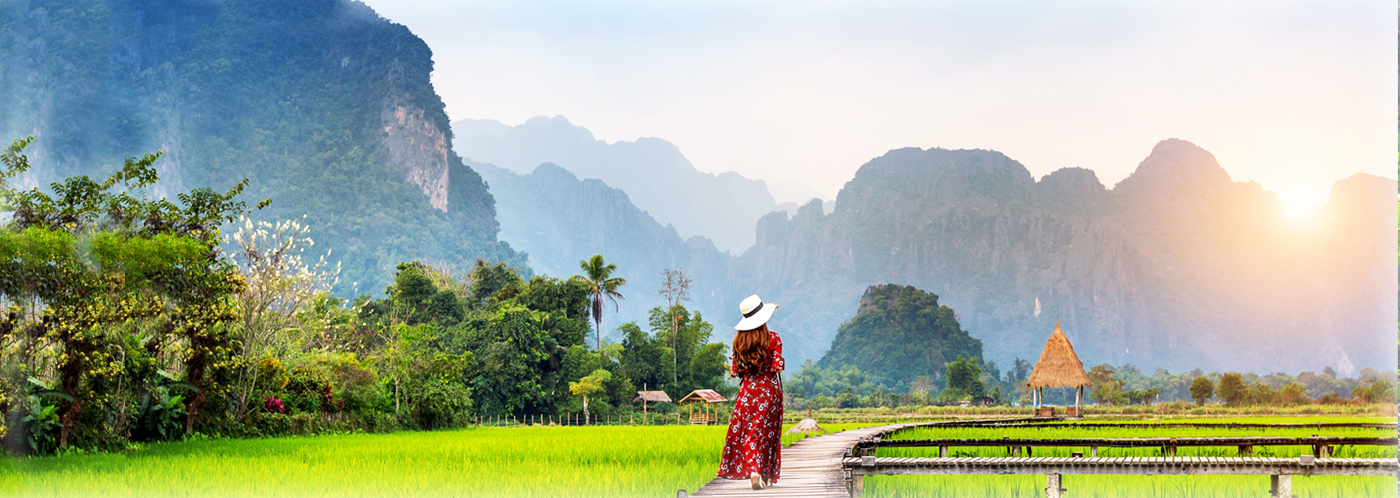
Cleared for Take‑Off: How a Leaner Mekong Delta Is Poised to Become Vietnam’s Next Tourism Powerhouse


The Mekong Delta, a maze of emerald canals and coconut‑lined rivers, has long possessed all the raw ingredients for world‑class tourism - lush nature, layered culture, and famously warm people. Yet its visitor economy still lags behind its potential, hampered by fragmented products, modest infrastructure, and a “go‑it‑alone” mindset among provinces. Travellers delight in floating markets and orchard picnics, but many find the experiences repetitive from one province to the next, while operators struggle with patchy roads, differing regulations, and limited high‑value offerings.
Vietnam’s historic administrative streamlining, reducing 13 Mekong provinces to five plus the centrally governed hub of Cần Thơ, offers the runway the region has been waiting for. With fewer bureaucratic checkpoints, the new map clarifies each destination’s signature strengths:
- Cần Thơ (now joined by Sóc Trăng & Hậu Giang) anchors the region as a river‑front smart city and Khmer cultural centre.
- Cà Mau (merged with Bạc Liêu) stakes its claim on mangrove eco‑tours, Đờn ca tài tử heritage and offshore wind farms.
- Đồng Tháp (now including Tiền Giang) doubles down on bird sanctuaries, flower villages and fruit‑laden islets.
- An Giang (expanded to include Kiên Giang & Phú Quốc) marries sacred Seven‑Mountain pilgrimages with luxury island getaways.
- Vĩnh Long and Tây Ninh round out the mix with homestay river culture and cross‑border spiritual journeys.
The numbers underline the prize: 52 million visitors in 2024 (up 15.9 %), 2.8 million of them international, generating more than ₫62 trillion in revenue. Industry leaders see the streamlined governance as a catalyst to knit those assets into seamless, multi‑day circuits, sunrise on Cái Răng, sunset in Phú Quốc, supported by unified transport planning, shared booking platforms and joint marketing campaigns.
Key priorities now include widening river and road corridors, rolling out integrated smart‑tourism tech, and upskilling local hosts for premium segments such as culture‑themed cruises, overnight houseboats and curated literary & culinary trails. By pooling resources, the Delta can move beyond “one‑day orchard hops” to create deeper, higher‑spend adventures that keep travellers circulating, and spending, across the entire region.
In short, administrative reform is more than trimming red tape; it is a strategic reset that gives the Mekong Delta a clear flight path toward global recognition. With its blend of waterworld scenery, fertile culture and freshly united leadership, the region is finally ready to taxi, accelerate and soar onto the world tourism stage.
Recent Post
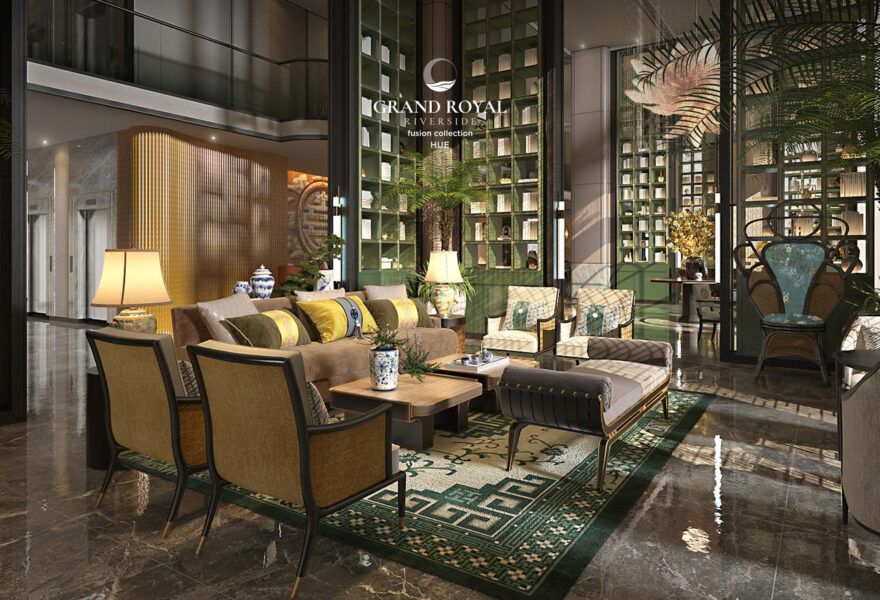
Fusion to Open Two Landmark Hotels in Hanoi and Hue in Early 2026
Fusion Hotel Group...

Nine Luxury Travel Experiences You Must Experience in 2026
The 2026 Luxe Repo...
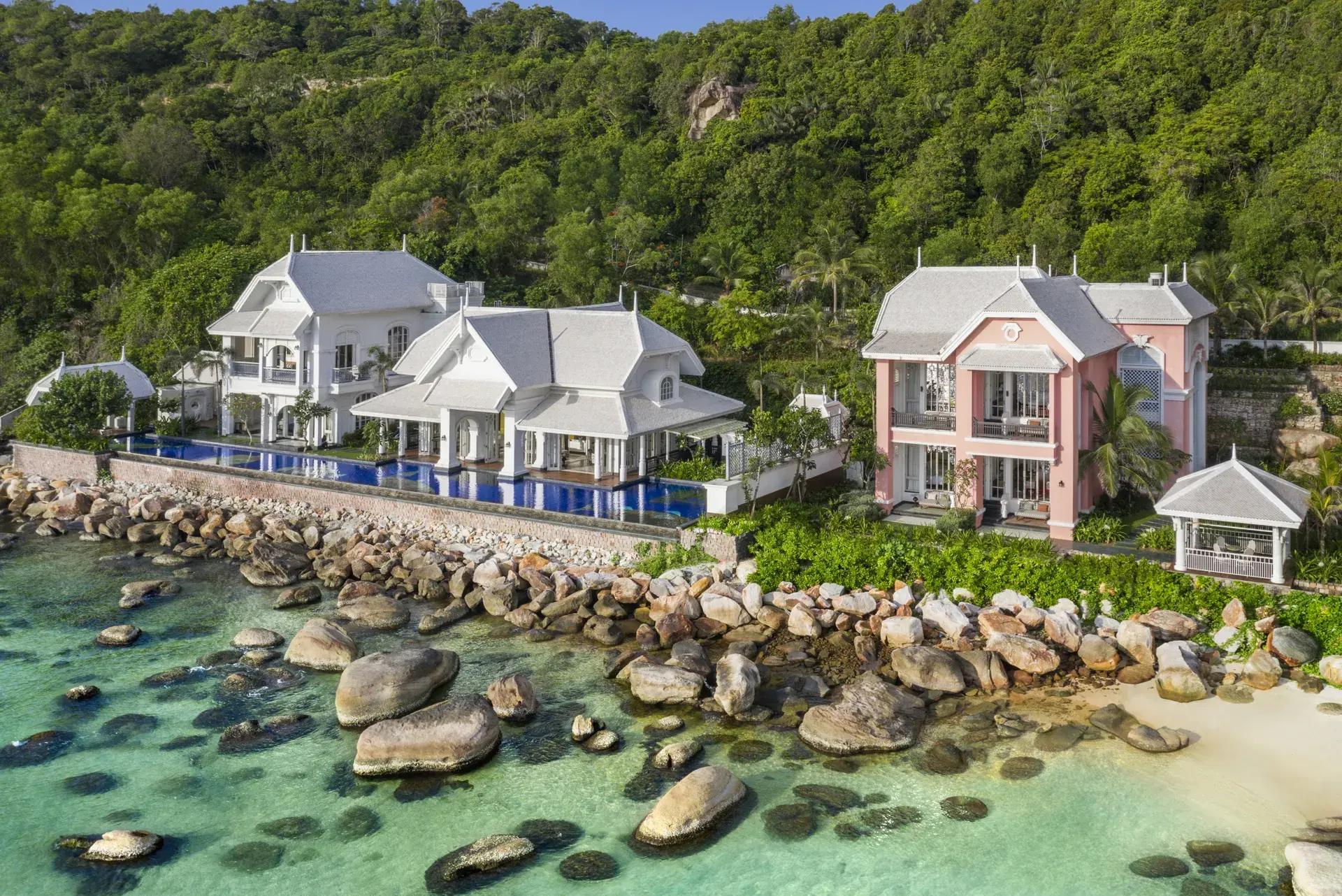
Nine Days of Renewal and Transformation at JW Marriott Phu Quoc
During the Lunar N...
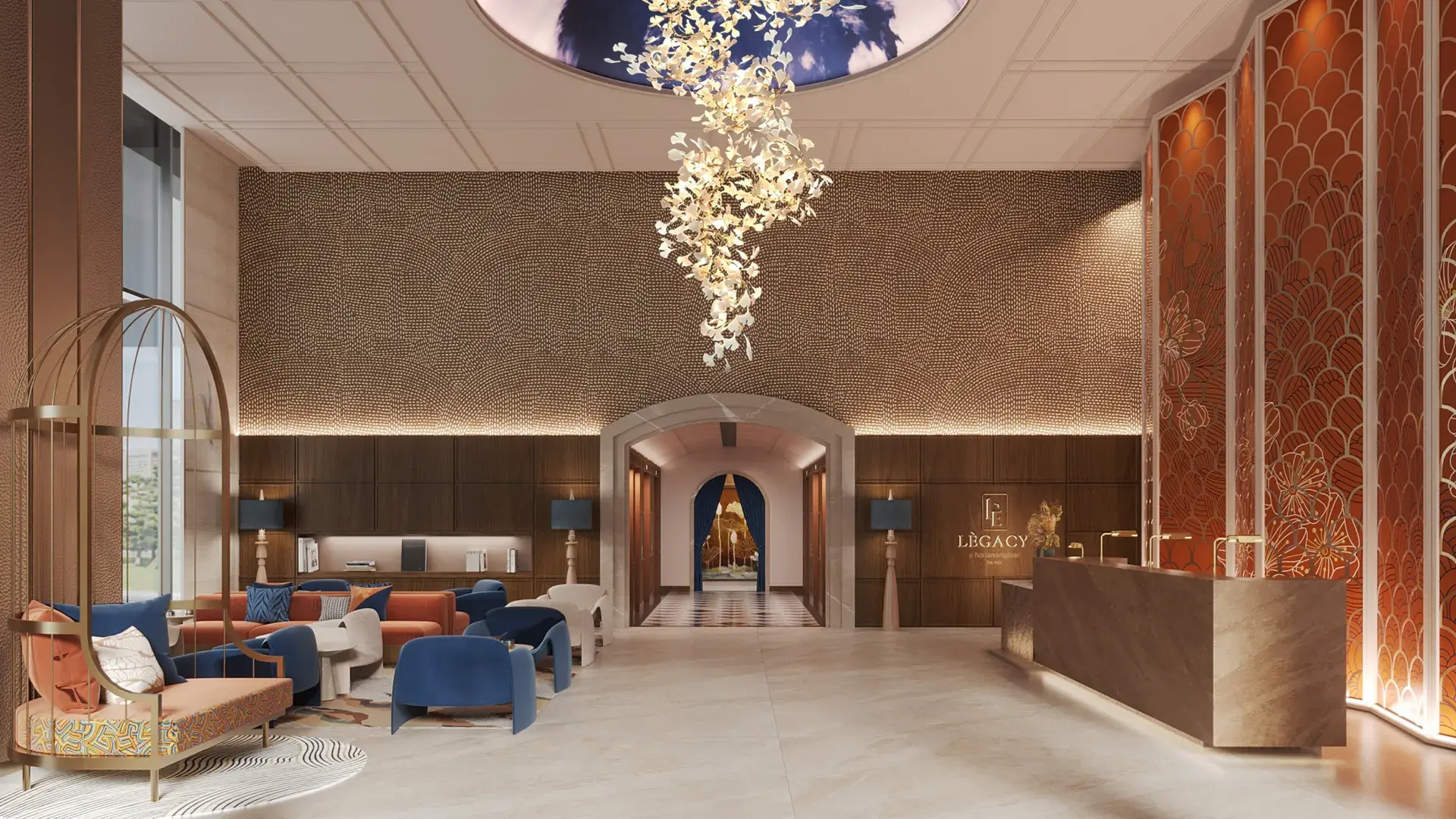
Top 3 All Inclusive Resorts Worth Experiencing in 2026
All inclusive holi...
All Inclusive A Curated Holiday in the World of Luxury
For a long time, a...