

Top Culinary Trends Shaping 2026



What dining styles, ingredients, and beverage techniques will shape the global culinary landscape in 2026? The annual Culinary and Cocktail Trend Forecast by Kimpton, a boutique hotel brand under IHG, highlights emerging shifts that reflect how food and drink are becoming powerful tools for cultural storytelling, destination discovery, and sensory driven travel experiences.
A shift toward sensory driven dining
As travelers increasingly seek deeper connections through food, the industry is moving toward experiences that engage all five senses. Destination inspired menus, immersive cocktail programs, and curated beverage journeys are becoming central to how hotels, restaurants, and tourism brands communicate culture and identity. According to insights shared by IHG Hotels and Resorts, culinary and cocktail programs are evolving into storytelling platforms that connect guests with local heritage and creative expression.
Charcoal grilling returns to the spotlight
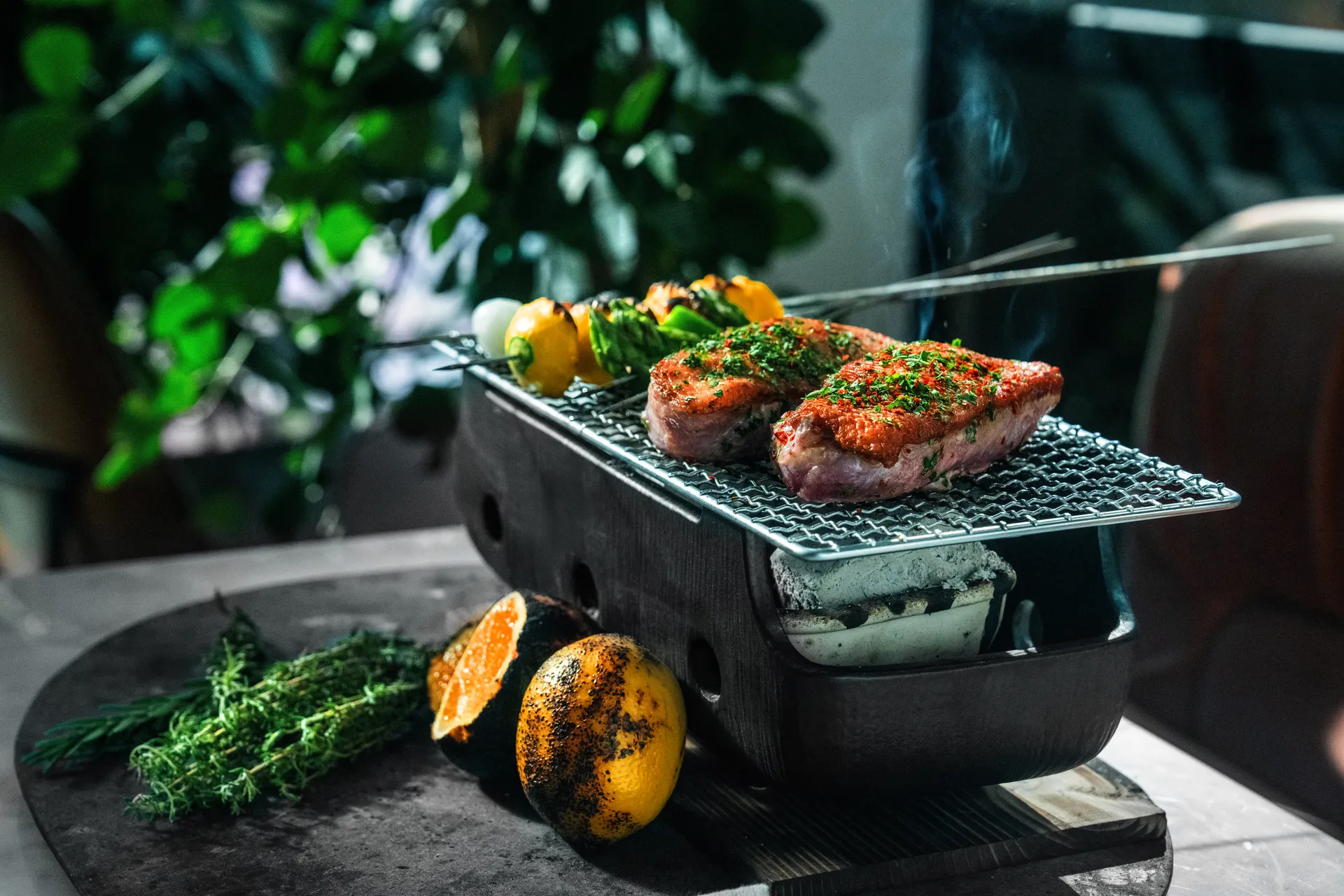
Charcoal grilling is re emerging not as a simple cooking method, but as a refined culinary art that reconnects diners with authentic flavors and traditional techniques. Binchotan, a premium Japanese white charcoal, is gaining prominence for its ability to deliver clean heat, fuller flavor, and reduced smoke, while elevating the taste of meats, seafood, and vegetables.
Global flatbreads and pancakes as creative foundations
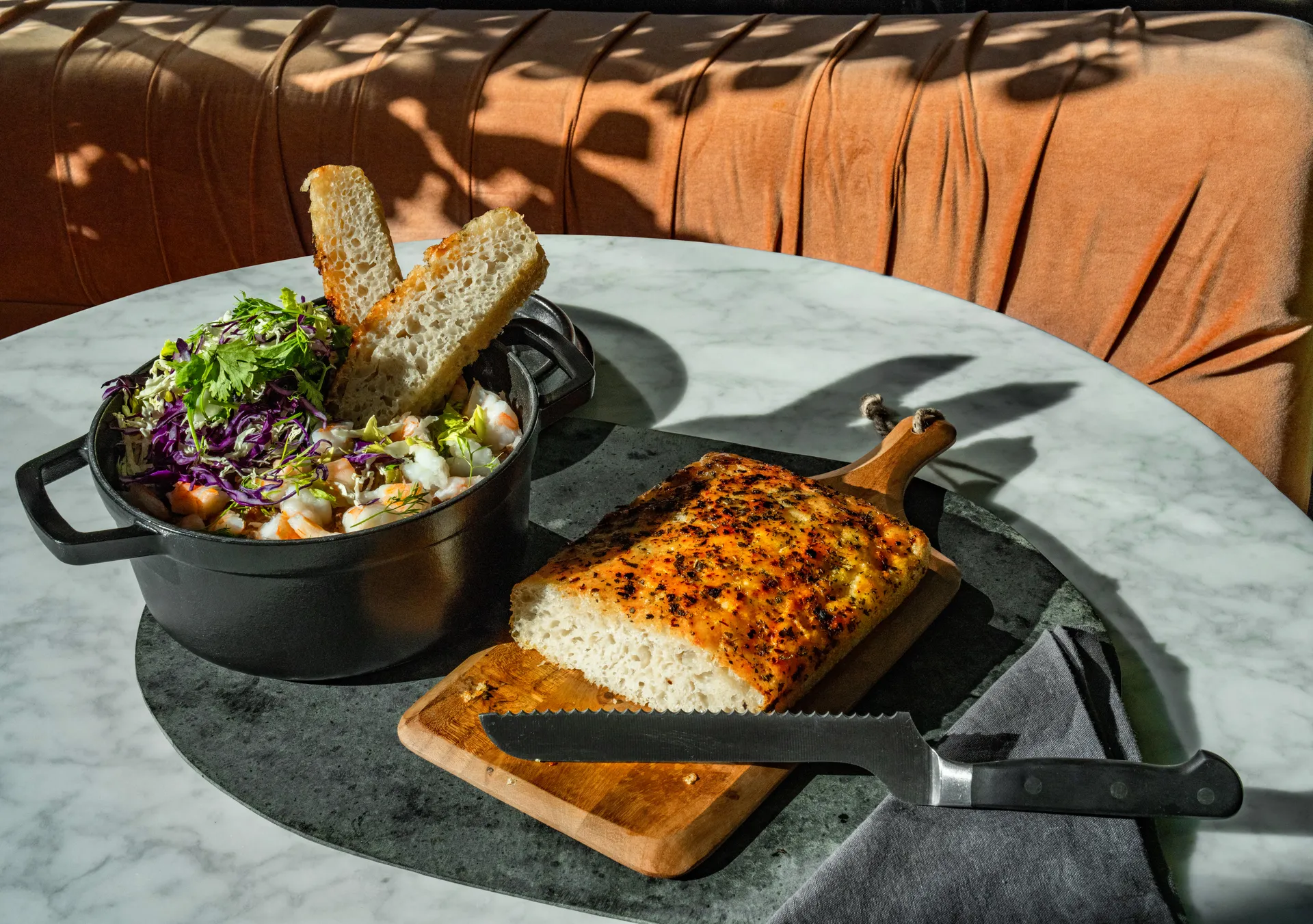
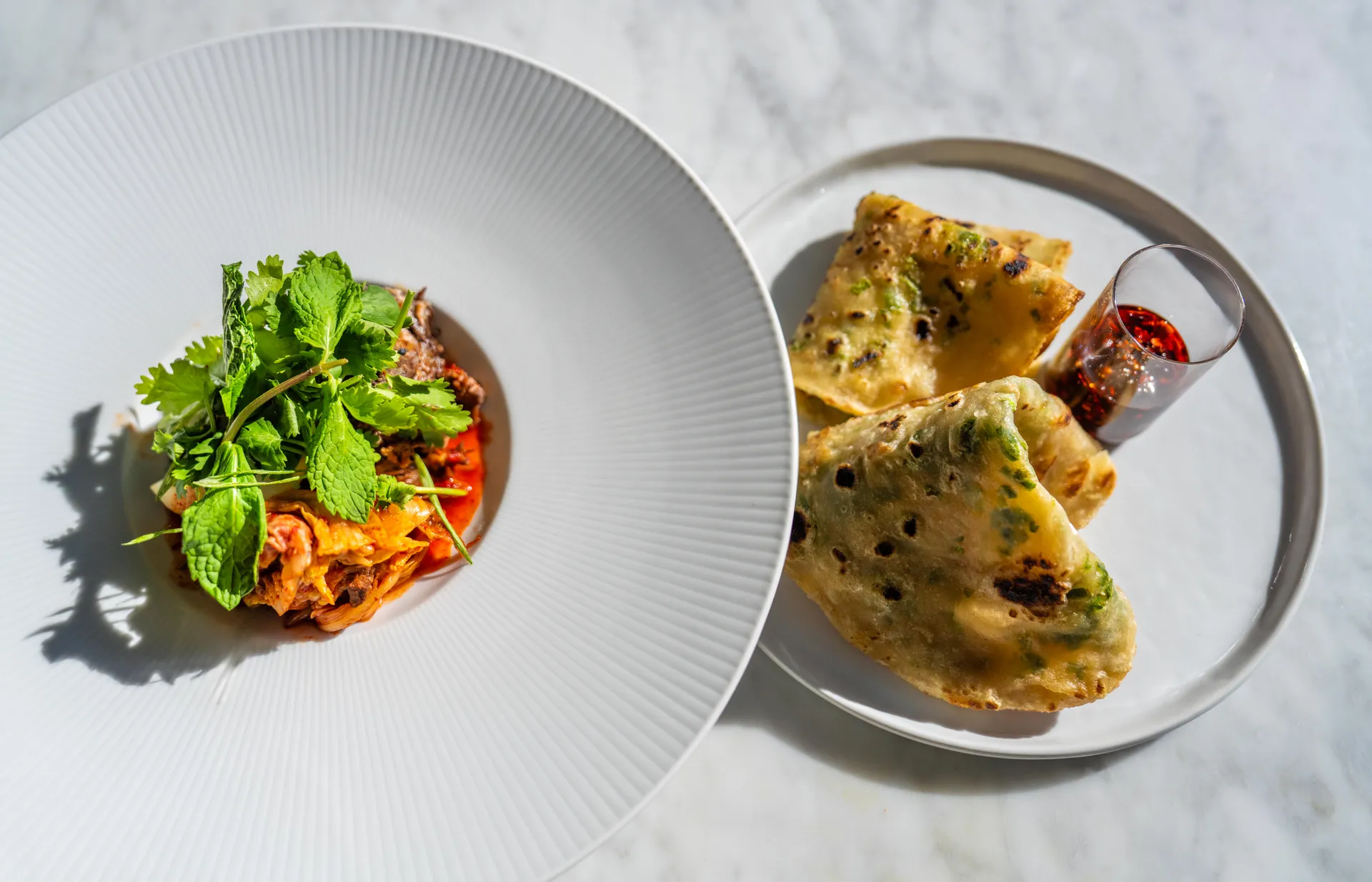
Moroccan msemen, Korean hotteok, and Vietnamese banh xeo are gaining global attention as versatile culinary foundations. These formats allow chefs to explore new flavor combinations while preserving cultural identity, guiding diners through elevated interpretations of regional street food on international dining stages.
Heritage driven and third culture cuisine
One of the strongest movements expected in 2026 is the rise of heritage inspired cuisine and third culture cooking. Rather than replicating traditional flavors in their purest form, chefs are embracing personal narratives shaped by multicultural backgrounds. This approach blends technique, memory, and identity, creating dishes that challenge conventional culinary boundaries while celebrating cultural intersection.
The rise of bold citrus and sour flavor profiles
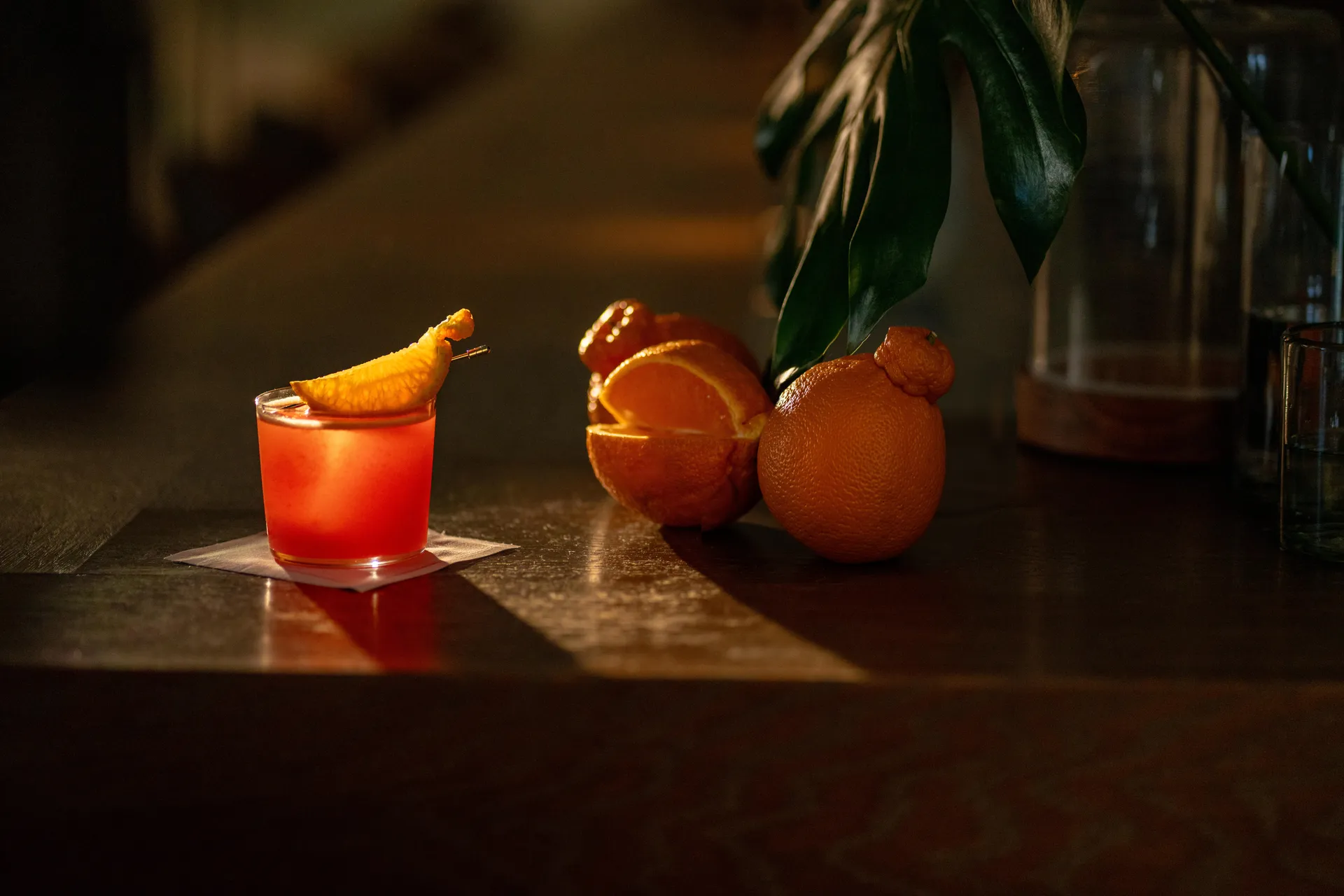
Highly acidic and vibrant fruits are inspiring chefs and mixologists to experiment with new pairings and presentations. Ingredients such as yuzu, calamansi, hallabong, and sumo citrus varieties are appearing in both food and drink menus. From yuzu infused cocktails to calamansi miso sauces for seafood and salads, these flavors offer fresh, dynamic alternatives for contemporary dining concepts.
Smaller portions and elevated snacking culture
Traditional large main courses are gradually giving way to smaller, more shareable plates. This evolution is fueling the growth of sophisticated snack culture, where dipping sauces inspired by classic dishes such as gumbo or cacio e pepe are transforming familiar comfort flavors into refined small bite experiences.
The new era of bar experiences
Refined sugar is slowly being replaced by natural sweetness derived from fruit and botanicals such as rose, elderflower, and cherry. This shift reflects a broader preference for clean label ingredients and authentic flavor profiles in beverage programs.
Texture as the defining language of cocktails
Crunchy, airy, foamy, and silky textures are emerging as the defining elements of beverage innovation in 2026. From matcha drinks topped with light foam to silky lattes finished with chewy pearls, layered sensory textures are shaping how guests experience drinks beyond taste alone.
Banana milk moves into the global spotlight
Popular in Korea and traditionally paired with coffee, banana milk is expected to expand globally. Its natural sweetness and creamy texture pair well with whipped cream, cinnamon, caramel, and chocolate, offering a comforting yet contemporary breakfast and beverage concept for hotels and cafés.
Coffee as a terroir driven experience
Coffee is entering a new era where origin, sustainability, and seasonal processing methods are becoming central to its appeal. Sustainably grown beans and climate responsive farming are shaping flavor development, while fermentation and seasonal profiles are redefining tasting experiences. Rare varieties such as Colombian Gesha, Ethiopian Hambela, Ethiopian Uraga Heo, Papua New Guinea volcanic Robusta, and Lijang Yunnan beans are gaining attention among serious coffee enthusiasts.
Low alcohol aperitifs take center stage
Garibaldi is emerging as a strong contender to replace Aperol Spritz as the must try aperitif of 2026. With its low alcohol content, fresh profile, and elegant structure, it is being adopted by restaurants and cocktail bars seeking lighter, more approachable pre dinner drinks.
Technology driven mixology
Beyond traditional smoking techniques, advanced bar technologies are becoming more widely used. Aroma diffusion, flavor switching, and cryogenic freezing processes are allowing bartenders to transform and release flavors in new ways, pushing the boundaries of presentation and sensory experience.
Layered presentation as visual storytelling
Blended drinks are increasingly being replaced by carefully layered beverages. From cocktails to coffee, clearly defined layers of color, texture, and flavor are becoming a visual signature of premium beverage experiences, offering guests a sense of theatre and anticipation in every glass.
Herbal and garden to glass concepts gain momentum
Earthy, green, and herbal flavor profiles are rising in popularity. Ingredients such as aloe vera, chayote, eucalyptus, and pepperberry are appearing more frequently in modern cocktail design. The garden to glass movement continues to grow, celebrating seasonal and locally sourced ingredients as the foundation of authentic beverage storytelling.
Global insight from the Kimpton trend forecast
The annual Kimpton forecast reflects insights gathered from more than 100 restaurants and bars across 83 hotels and resorts worldwide. These findings highlight not only emerging techniques and ingredients, but also the growing role of culinary and beverage innovation in shaping modern travel and hospitality experiences.
In 2026, global culinary and cocktail trends are moving toward deeper sensory engagement, cross cultural storytelling, and more meaningful ingredient choices. For the travel and hospitality industry, food and drink are no longer supporting elements, but strategic pillars that define destination identity and guest experience narratives in a highly competitive global market.
Recent Post
Fusion to Open Two Landmark Hotels in Hanoi and Hue in Early 2026
Fusion Hotel Group...

Nine Luxury Travel Experiences You Must Experience in 2026
The 2026 Luxe Repo...

Nine Days of Renewal and Transformation at JW Marriott Phu Quoc
During the Lunar N...
Top 3 All Inclusive Resorts Worth Experiencing in 2026
All inclusive holi...
All Inclusive A Curated Holiday in the World of Luxury
For a long time, a...