

Bac Ninh: Removing Barriers to Boost Community-Based Tourism
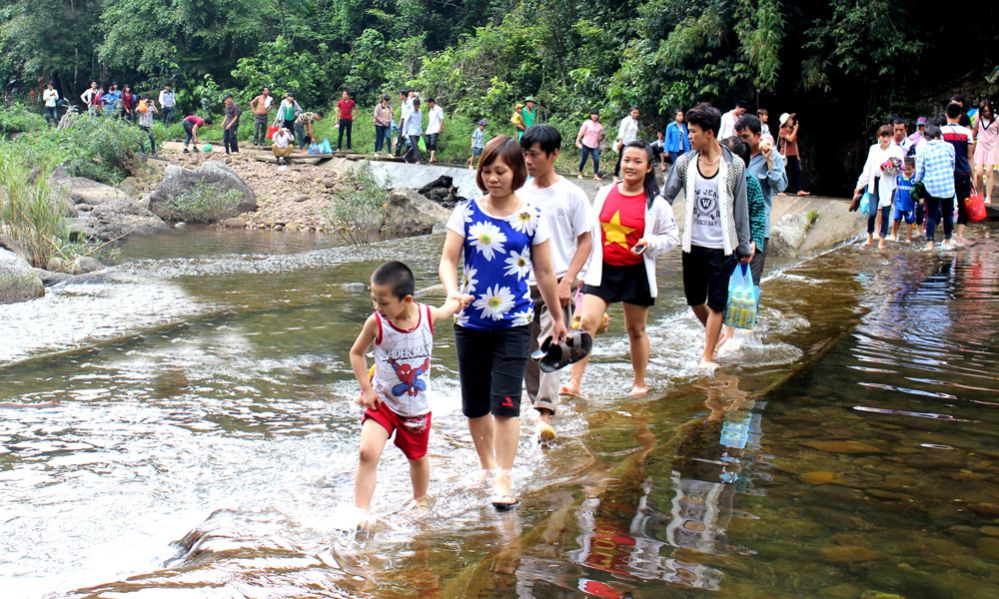
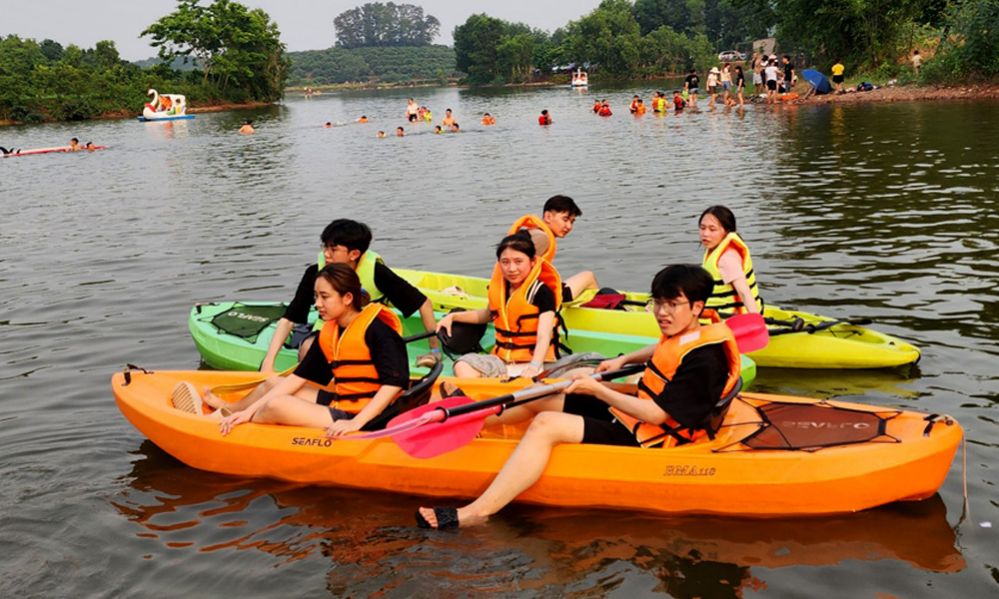
Community-based tourism is emerging as a new development direction for Bac Ninh after provincial consolidation, supported by destinations rich in cultural identity and local lifestyle experiences. Although visitor demand continues to rise, many destinations are still struggling due to limited infrastructure, insufficient capital and delays in planning. These challenges prevent the sector from accelerating.
Lack of Infrastructure and Slow Planning
Recent years have seen a strong interest in nature-based travel and authentic cultural experiences, making community-based tourism a preferred choice for many travelers. Ecological landscapes, traditional cuisine, distinctive customs and the hospitality of local people create a unique appeal that few other tourism models can offer.
The former Bac Giang province had already developed several community-based tourism sites that attracted early visitor flows, including Ven Village in Xuan Luong, Van Hoa Ho Va in Dong Phu and Bau Tien Lake in Phuong Son. Each site offers its own strengths. Ven Village features tea hills, bamboo forests, sheep farms and the distinct cuisine of the Cao Lan ethnic group. Bau Tien Lake stands out with agricultural and eco-tourism activities such as farm visits, cycling, fishing and boating. Van Hoa Ho Va draws younger visitors with flower fields, bamboo structures and colourful recreational activities. On the former Bac Ninh side, Quan ho villages, traditional craft villages and riverside ecological landscapes form important assets for community-based tourism. Many travelers come to experience Quan ho culture in Diem Village and explore traditional crafts such as Dong Ho folk painting and pottery.
Community-based tourism generates income, supports cultural preservation, strengthens agricultural production and provides stable livelihoods for local residents. When properly developed, it can become a powerful driver for local growth.
However, current development remains fragmented. Incentive mechanisms are not yet attractive, and planning and linkages are not structured enough to build complete product chains. After the provincial merger, Bac Ninh now has more than 30 tourism sites, including nearly 10 certified community-based tourism locations with several others preparing for certification. The potential is significant, yet long-standing obstacles continue to slow progress. The common issue is inadequate infrastructure. Most cooperatives cannot develop visitor centres, internal roads, scenic spots, parking areas or permanent restrooms due to the lack of detailed 1/500 planning, which is a mandatory requirement for construction.
According to the representative of Bau Tien tourism cooperative, visitor facilities become overloaded during peak seasons and access roads remain narrow. Without the approved 1/500 plan, they cannot invest properly due to the risk of forced removal. The cooperative at Van Hoa Ho Va faces similar challenges. Demand for services exists, but the lack of developed play areas, dining zones, photo spots and parking limits business performance and reduces overnight stays. The cooperative recognises the need to upgrade services but cannot proceed without approved planning.
Some cooperatives also hope to invest in tourist boats and electric vehicles, but the costs exceed their financial capacity. Travel businesses see these limitations clearly. Many companies are willing to include community-based tourism in weekend itineraries, but the weak infrastructure makes it difficult to manage large groups. If destinations had better services, organised welcome centres, standard parking and upgraded facilities, tour operators would invest with confidence.
A Needed Push for Sustainable Development
In 2023, the former Bac Giang Provincial People’s Council issued Resolution 41/2023 supporting community-based tourism development for the 2023–2030 period. However, slow action at the local level, especially delays in preparing 1/500 detailed plans, has prevented most tourism sites from making essential investments. Some destinations also do not meet eligibility criteria for support or lack financial capacity for co-investment. Meanwhile, the former Bac Ninh province had not yet issued a similar policy framework.
Field assessments show that cooperatives and households are actively building small-scale experience models, but development remains fragmented. To upgrade services effectively, destinations need proper planning and timely financial support. Slow planning and inconsistent policies limit expansion and prevent sites from realising their full potential.
Based on Resolution 41/2023, Bac Ninh has prepared a draft Resolution to support community-based tourism for 2026–2030. The draft will be reviewed by the Provincial People’s Council in December 2025. According to the Department of Culture, Sports and Tourism, the new policy aims to provide timely support, diversify tourism products and strengthen competitiveness. It also creates a legal foundation to mobilise government and private investment. Key support measures include funding for 1/500 planning, visitor centres, product display houses, agricultural product spaces, public restrooms, internal roads, parking areas, boats and electric vehicles.
To drive meaningful progress, local authorities must complete the 1/500 planning for tourism sites as a priority. Only then can cooperatives and businesses legally invest in facilities. Provincial agencies should also focus on training local residents in customer service, guiding, environmental protection and tourism hospitality. Support for building signature products and promoting unique cultural and ecological values is equally important. Digital tools such as online booking systems, e-ticketing and social media marketing will help destinations reach a broader market.
Community-based tourism not only generates income but also preserves cultural heritage, strengthens agriculture and improves rural livelihoods. With proper investment, it can enter a new development phase where local people become both creators and beneficiaries. This contributes to sustainable socio-economic growth, especially in rural and mountainous areas.
Recent Post

Fusion to Open Two Landmark Hotels in Hanoi and Hue in Early 2026
Fusion Hotel Group...

Nine Luxury Travel Experiences You Must Experience in 2026
The 2026 Luxe Repo...

Nine Days of Renewal and Transformation at JW Marriott Phu Quoc
During the Lunar N...

Top 3 All Inclusive Resorts Worth Experiencing in 2026
All inclusive holi...

All Inclusive A Curated Holiday in the World of Luxury
For a long time, a...