

Can AI Threaten the Luxury Hotel Sector?



Artificial intelligence continues to be one of the most discussed topics in the travel industry in 2025, especially for its role in personalizing journeys for high end travelers. Yet a new study reveals that AI may also create unexpected challenges for luxury hotels, including the risk of disappearing from AI generated hotel recommendations.
The latest research from Spotlight Communication, titled Luxury Travel in the Era of AI Search, examines why even globally recognized five star brands may fail to appear in AI driven suggestions. According to the report, AI search is no longer a simple recommendation tool but a system that influences traveler decision making through the way it interprets and retells a hotel’s brand story.
Spotlight partnered with the AI marketing firm Make Lemonade Fizz to analyze fifteen premium hotels and travel brands. The study used surveys, interviews, SEMrush audits, Google PageSpeed Insights and visibility tests across ChatGPT, Google AI Overview and Perplexity. The goal was to understand the relationship between AI generated suggestions and a hotel’s actual performance in attracting guests. The findings show that AI relies on authority, repetition, reputation and structured information rather than simply aggregating data. AI recommends what it understands, what it is fed and what it repeatedly sees.
One of the key insights is that most luxury hotels appear in only a small portion of relevant searches, ranging from fourteen to thirty eight appearances and showing up in less than forty percent of related queries. Some hotels with exceptionally fast websites still have low AI visibility, and the opposite also occurs. This shows that technical performance alone does not determine whether AI can discover or recommend a hotel. The research further highlights that hotels with more than one thousand monthly citations significantly outperform those with fewer than one hundred, emphasizing the impact of authentic reviews and consistent mentions.
These findings suggest a new reality for luxury hospitality. Strong service quality is no longer enough to secure visibility in an AI driven environment. AI discoverability becomes the deciding factor, and even iconic brands can remain invisible to AI systems. Website speed and technical status do not reliably predict visibility, while domain authority and media presence do. A hotel may be outstanding in design and service excellence yet still be overlooked if its digital data is inconsistent or poorly structured, affecting how AI interprets its identity.
The study also proposes strategic directions. Algorithms reward brands with frequent references, high quality reviews and consistent citations. Hotels need clear structural content online to help AI interpret their brand. Media coverage, expert endorsements and backlinks have a stronger influence on visibility than paid advertising.
Luxury travel thrives on exclusivity, but disappearing from AI search is not the type of exclusivity that benefits premium hotels. Luxury brands must now develop strong, coherent and compelling communication strategies that not only impress travelers but also make a meaningful impression on machines.
Recent Post
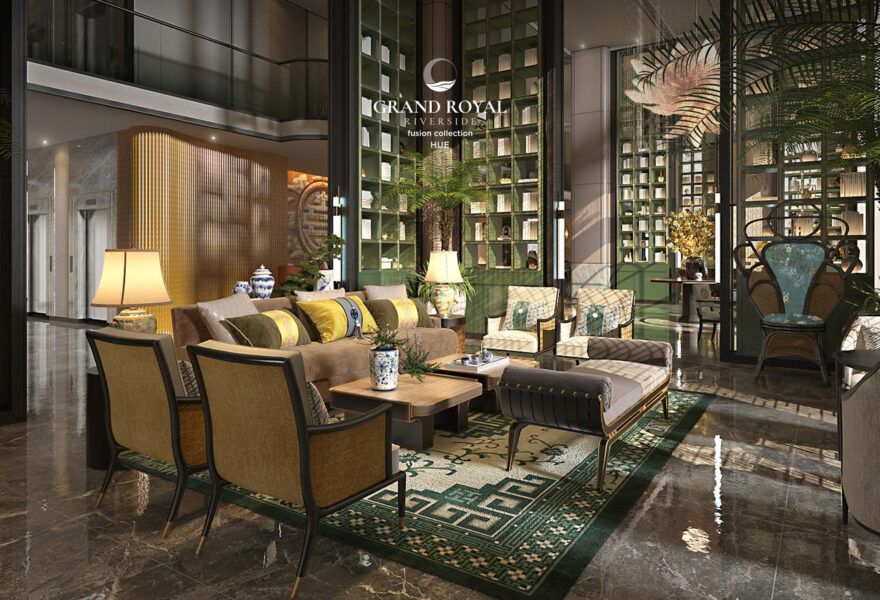
Fusion to Open Two Landmark Hotels in Hanoi and Hue in Early 2026
Fusion Hotel Group...

Nine Luxury Travel Experiences You Must Experience in 2026
The 2026 Luxe Repo...

Nine Days of Renewal and Transformation at JW Marriott Phu Quoc
During the Lunar N...


Top 3 All Inclusive Resorts Worth Experiencing in 2026
All inclusive holi...

All Inclusive A Curated Holiday in the World of Luxury
For a long time, a...