
Historic Heritage Homes in Vietnam’s Mekong Delta

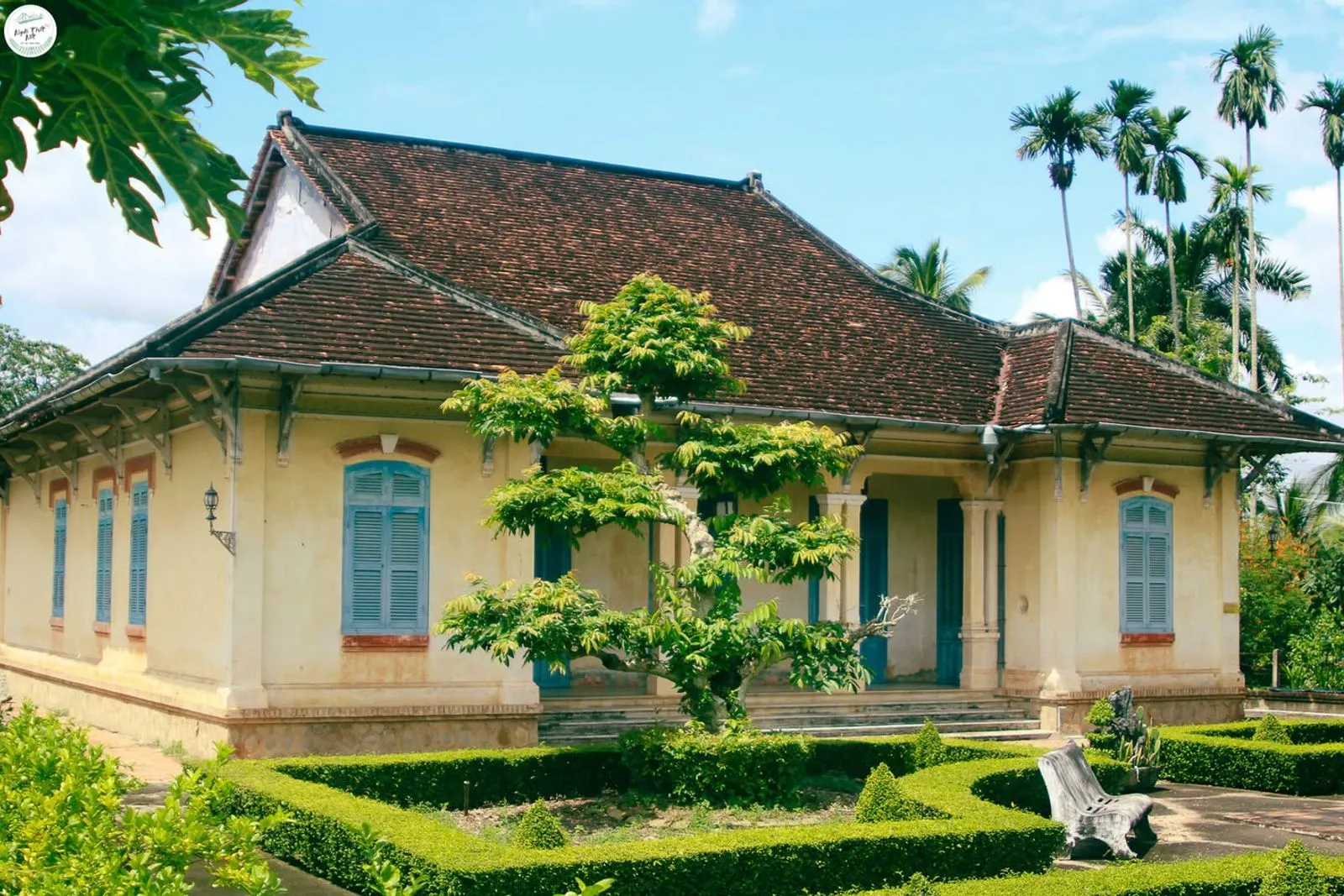
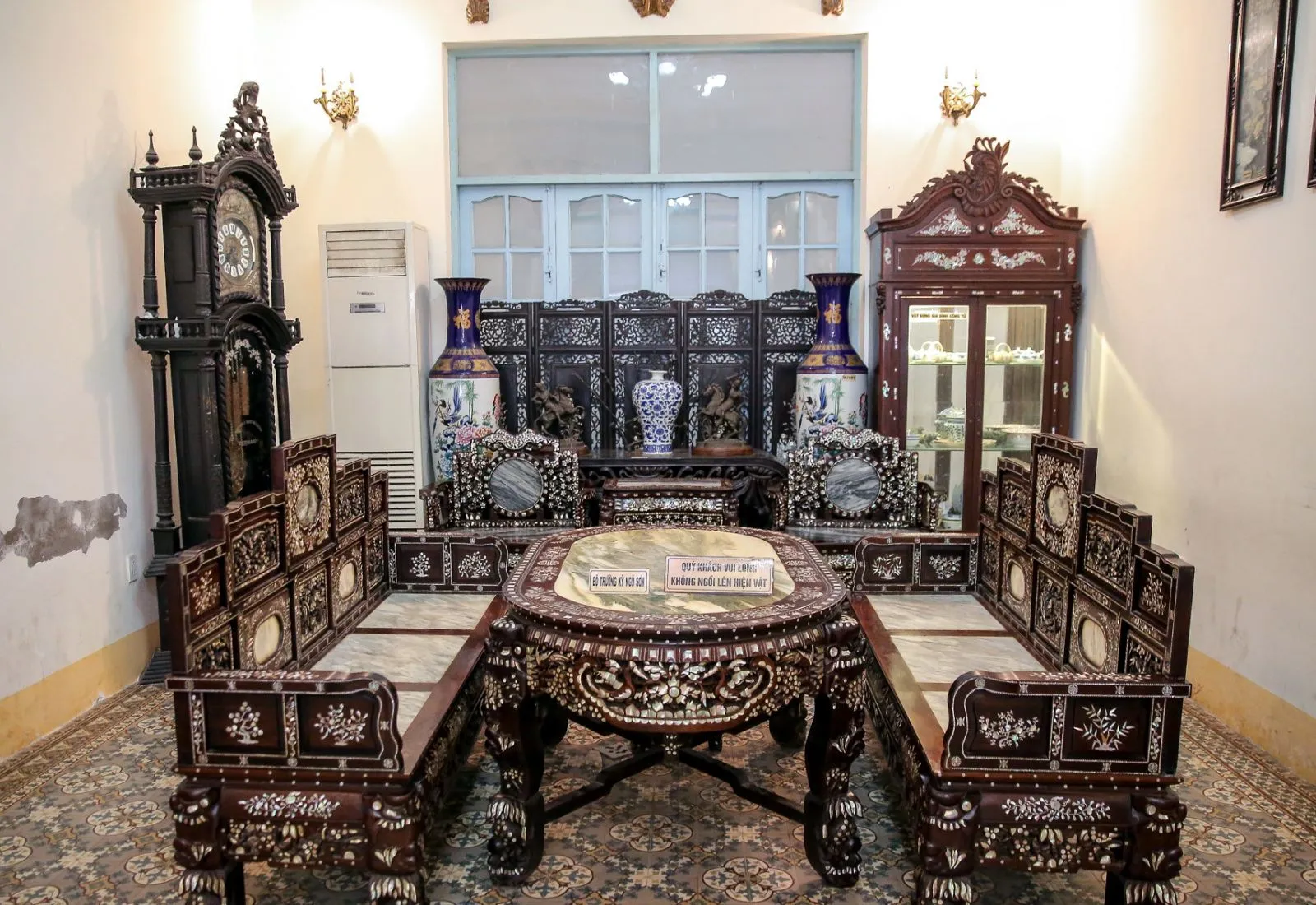
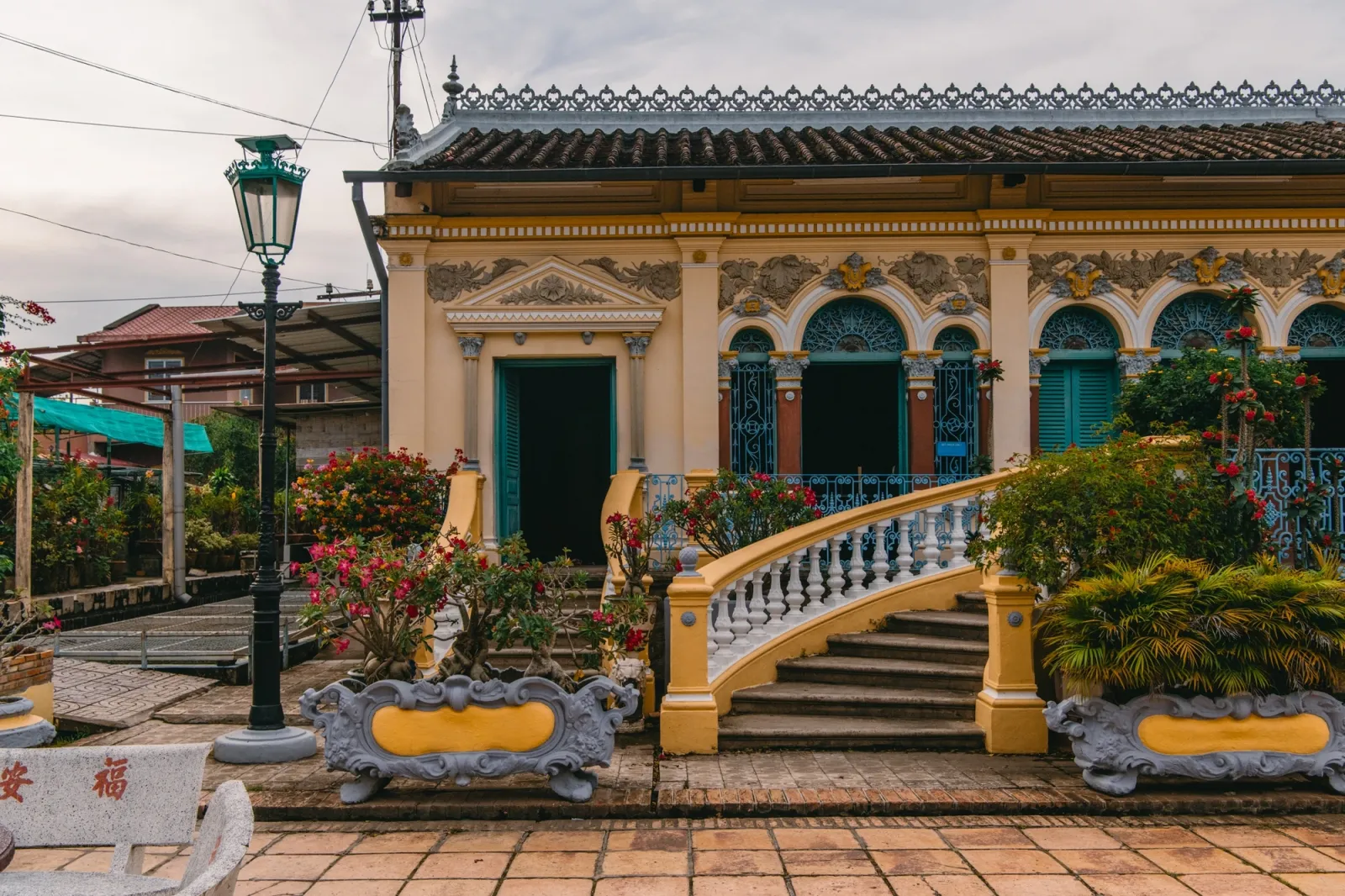
The Mekong Delta is home to many historic residences that reflect the cultural and architectural legacy of southern Vietnam. These homes preserve stories of prosperous families, political movements and the lifestyle of a bygone era. Their intricate craftsmanship, valuable artifacts and unique aesthetic have turned them into meaningful destinations for travelers interested in history and regional heritage.
Binh Thuy Ancient House – Can Tho
Located on Bui Huu Nghia Street in Binh Thuy District, Binh Thuy Ancient House was built in 1870 by the Duong family. The residence blends French architectural influence with the spirit of traditional southern Vietnamese design. Its exterior features European villa elements such as iron fences, carved details and an East Asian style gate. The interior preserves a distinctly Vietnamese layout with an ancestral altar, wooden columns carved with apricot, orchid, chrysanthemum and bamboo motifs, along with a notable collection of antiques and orchids. The house is also recognized as a national architectural heritage site and has been used as a filming location for several movies, including the French production “The Lover.”
Tran Ba The Ancient House – Can Tho
The Tran Ba The Ancient House, located on Tan Loc Islet in Thot Not District, is known as the main filming location of director Huynh Lap’s movie “Nha Gia Tien.” Built in 1918, the residence combines traditional southern Vietnamese architecture with Western elements. Its three-chamber layout, tiled roof, ornate arches and antique interior pieces such as mother of pearl altars, glass paintings and wooden furniture create a solemn atmosphere that aligns with the film’s spiritual theme. The house stands as an important cultural landmark representing the heritage of the Southwest region.
The House of the Prince of Bac Lieu – Bac Lieu
Situated on Dien Bien Phu Street in Bac Lieu City, this mansion is closely associated with Tran Trinh Huy, famously known as the “Prince of Bac Lieu.” Built between 1917 and 1919 by his father, the wealthy landowner Tran Trinh Trach, the house was designed by a French architect in a classical European style. All construction materials and furnishings were imported from France. The two story residence features a cream yellow exterior, large windows and an elaborate interior decorated with rare wooden furniture, mother of pearl inlaid beds, antique clocks and a gracefully curved wooden staircase. The house is also known for the stories highlighting the extravagant lifestyle of the Prince of Bac Lieu, who became a legendary figure in southern Vietnam.
The House of the White Prince – Tien Giang
Located on Dinh Bo Linh Street in My Tho City, the residence was built between 1925 and 1926 by Le Cong Phuoc, often referred to as the “White Prince,” one of the most famous aristocrats in the early twentieth century. The house covers more than three hundred square meters within a four thousand square meter property. Its architecture blends Roman European style with traditional southern Vietnamese elements. Large columns, valuable wooden frames and decorative interior details reflect the refined and artistic lifestyle of its owner. Stories about his rivalry with the Prince of Bac Lieu, including contests of wealth and extravagant displays, have become part of local folklore. The house remains remarkably intact and was recognized as a provincial cultural and historical site in 2016.
Huynh Phu Ancient House – Ben Tre
Located in Dai Dien Commune, Thanh Phu District, the Huynh Phu residence was built around 1890 by Huynh Ngoc Khiem, a wealthy landowner originally from Central Vietnam. The house reflects a combination of traditional Hue architecture and French influences. It consists of three chambers and two annexes with a rectangular layout and yin yang tile roof. The interior uses precious woods such as lim, gu and cam xe, with forty eight round wooden columns featuring intricate traditional carvings. The home represents the prosperity of southern landowners in the late nineteenth and early twentieth centuries and is associated with several historical events related to Vietnam’s patriotic movements. In 2011, it was recognized as a national architectural heritage site.
Recent Post
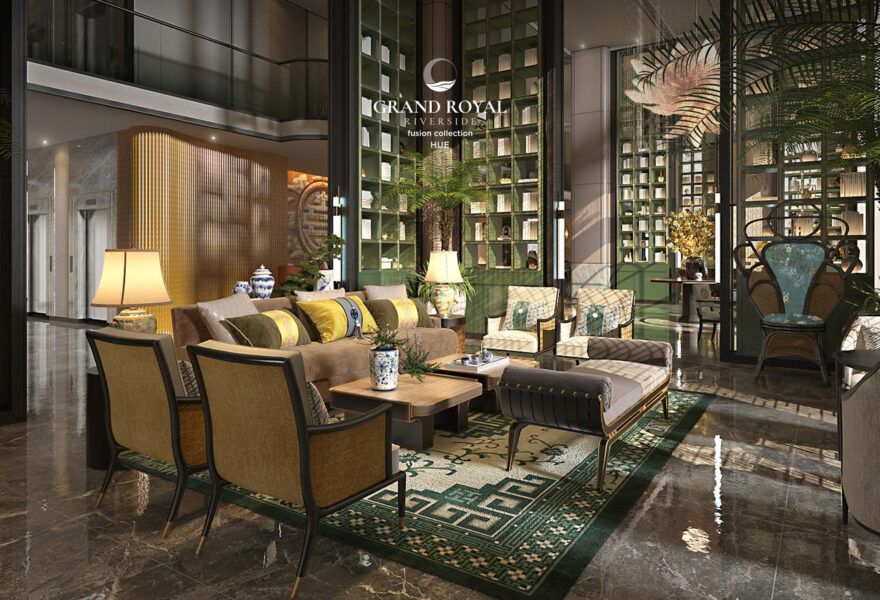
Fusion to Open Two Landmark Hotels in Hanoi and Hue in Early 2026
Fusion Hotel Group...

Nine Luxury Travel Experiences You Must Experience in 2026
The 2026 Luxe Repo...
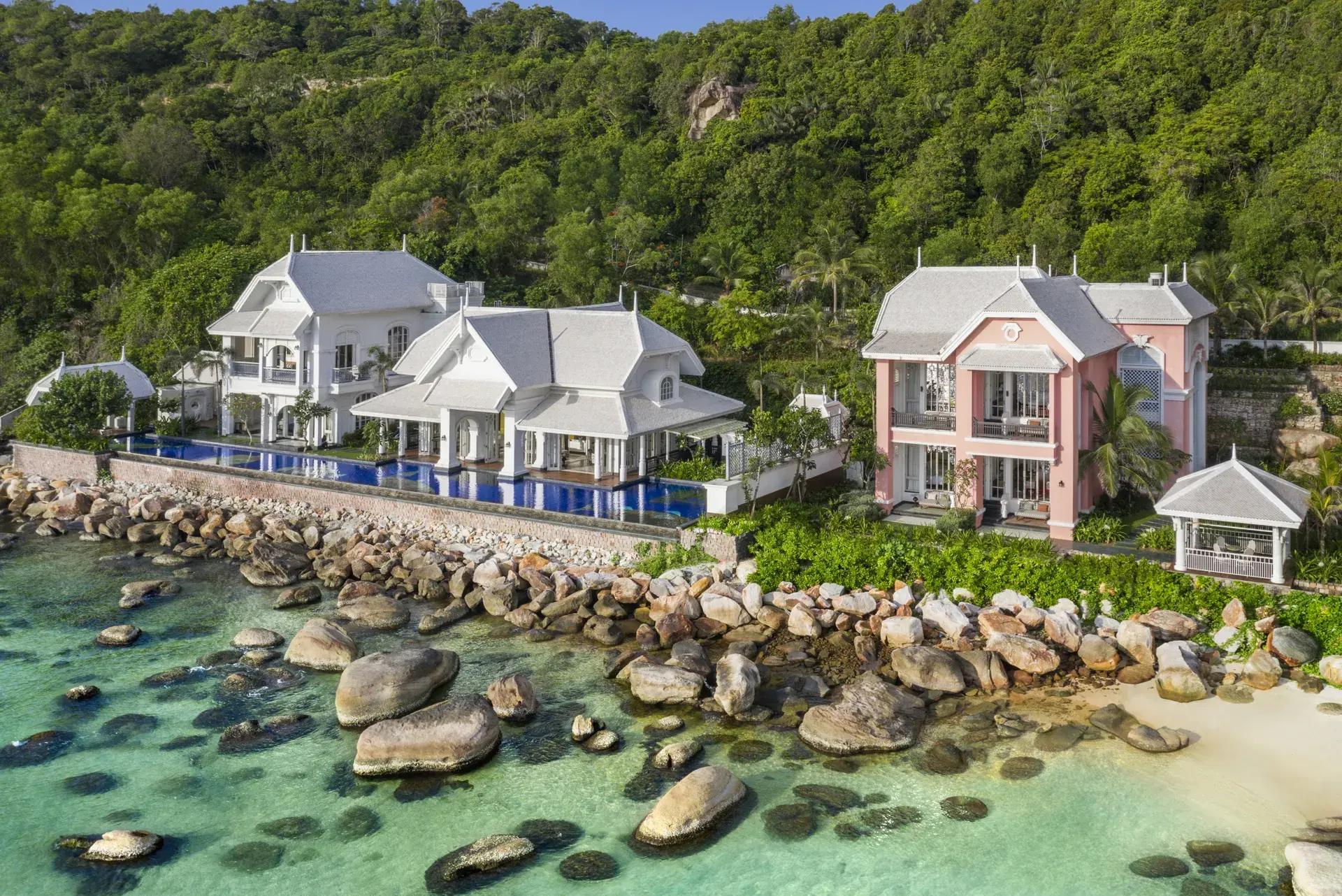
Nine Days of Renewal and Transformation at JW Marriott Phu Quoc
During the Lunar N...
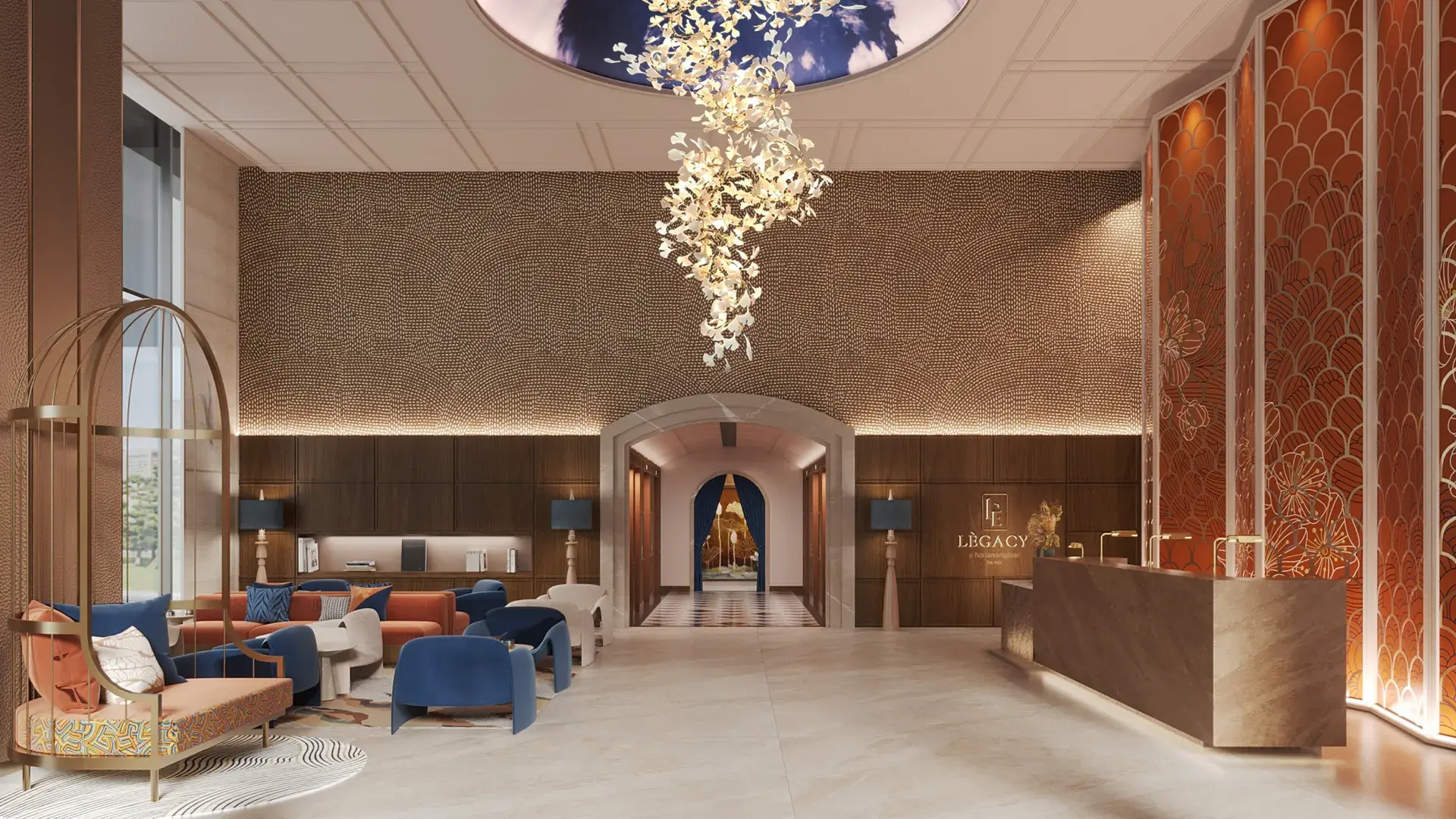
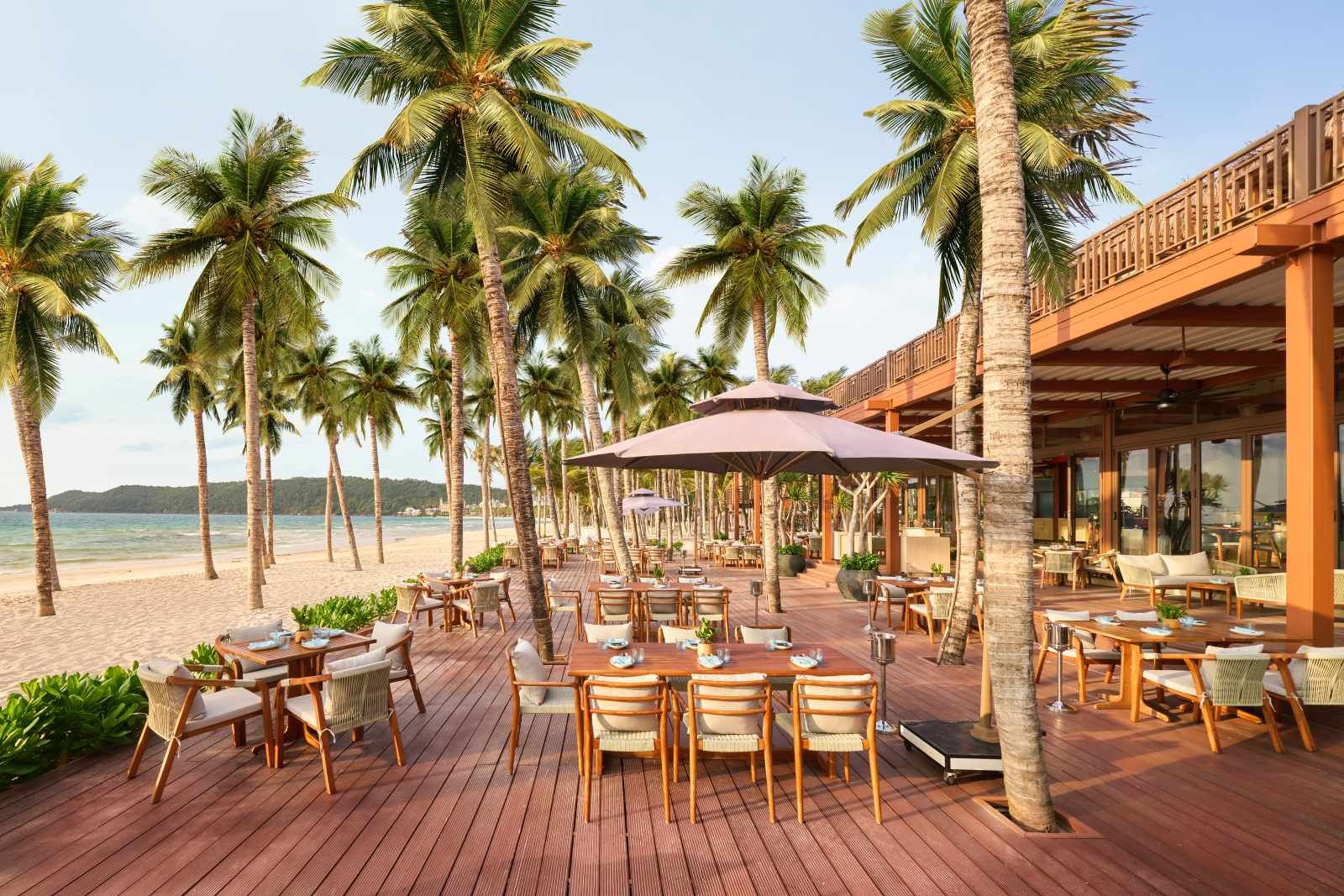
Top 3 All Inclusive Resorts Worth Experiencing in 2026
All inclusive holi...
All Inclusive A Curated Holiday in the World of Luxury
For a long time, a...