

How Culinary Culture Shapes the Future of Holiday Homes
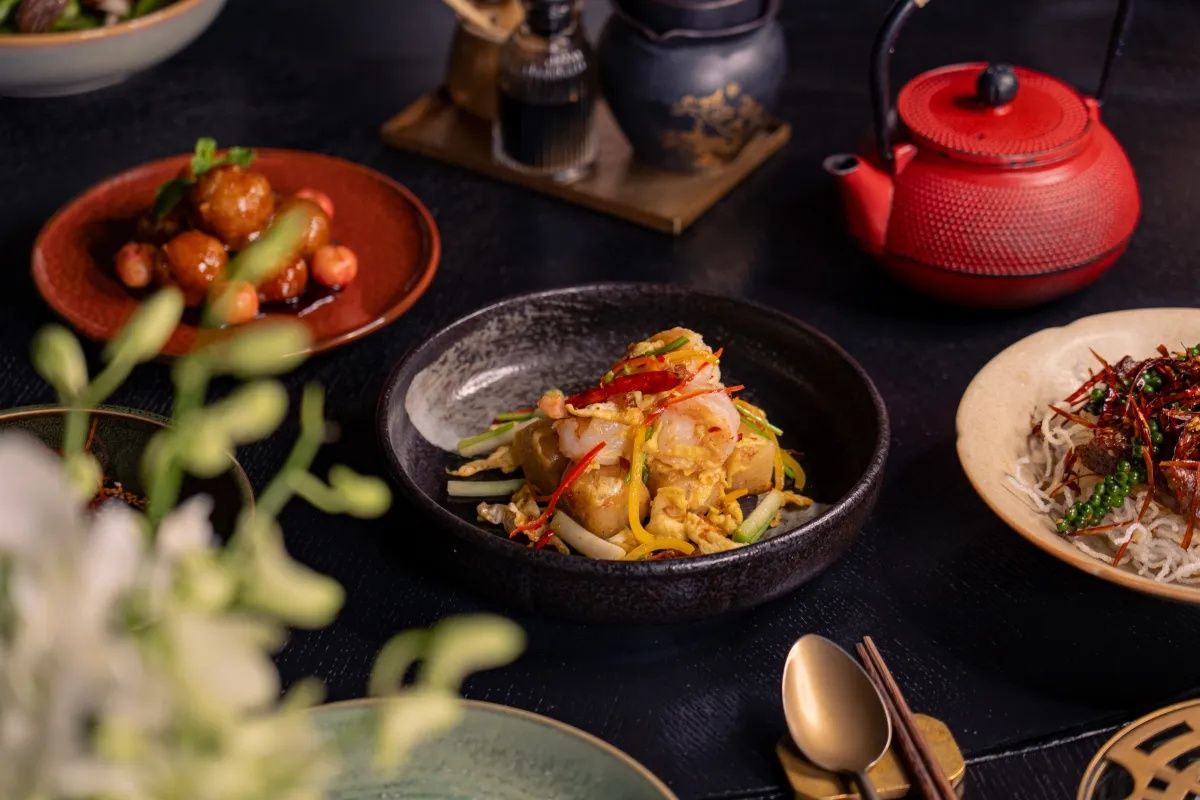
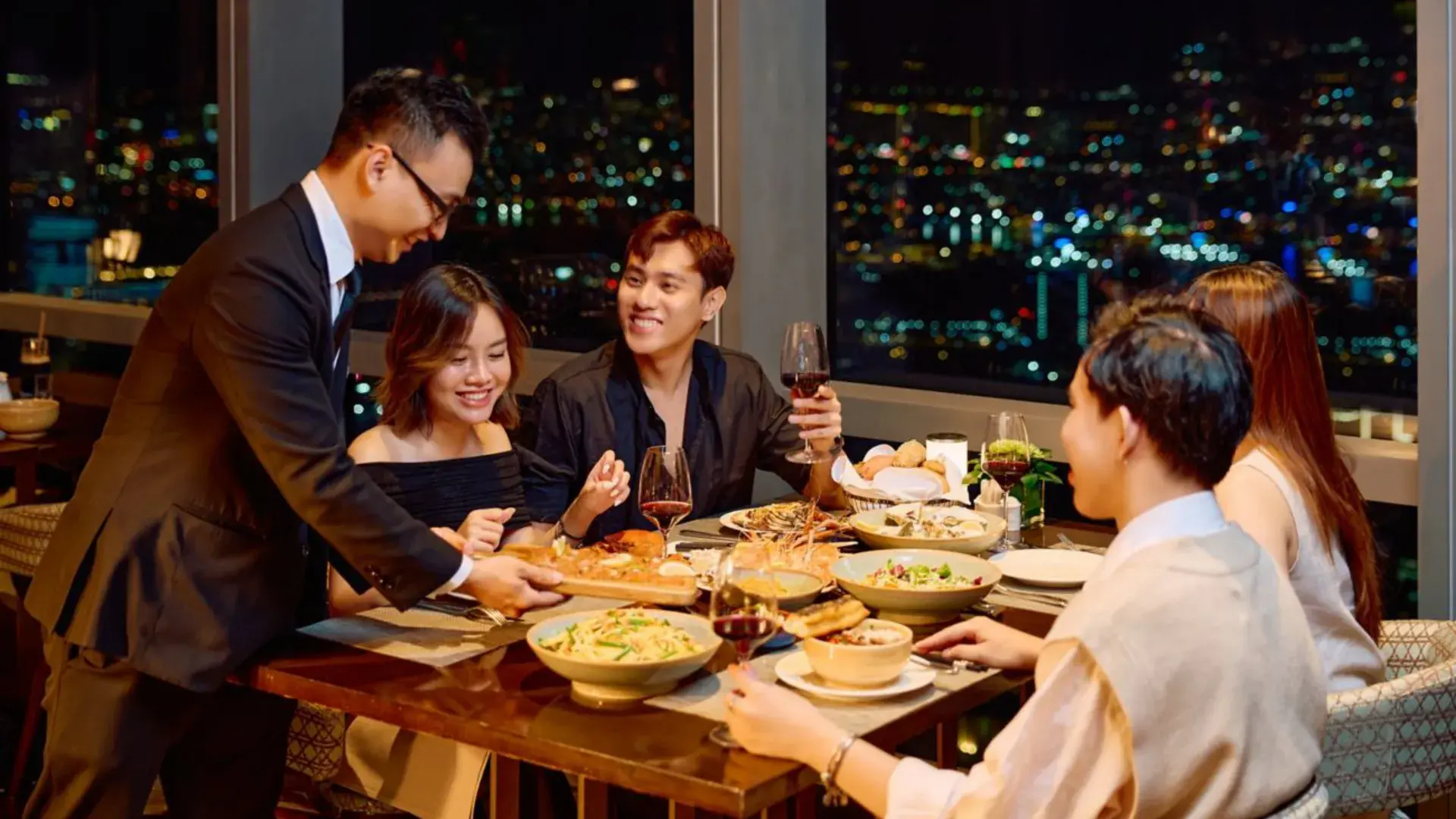
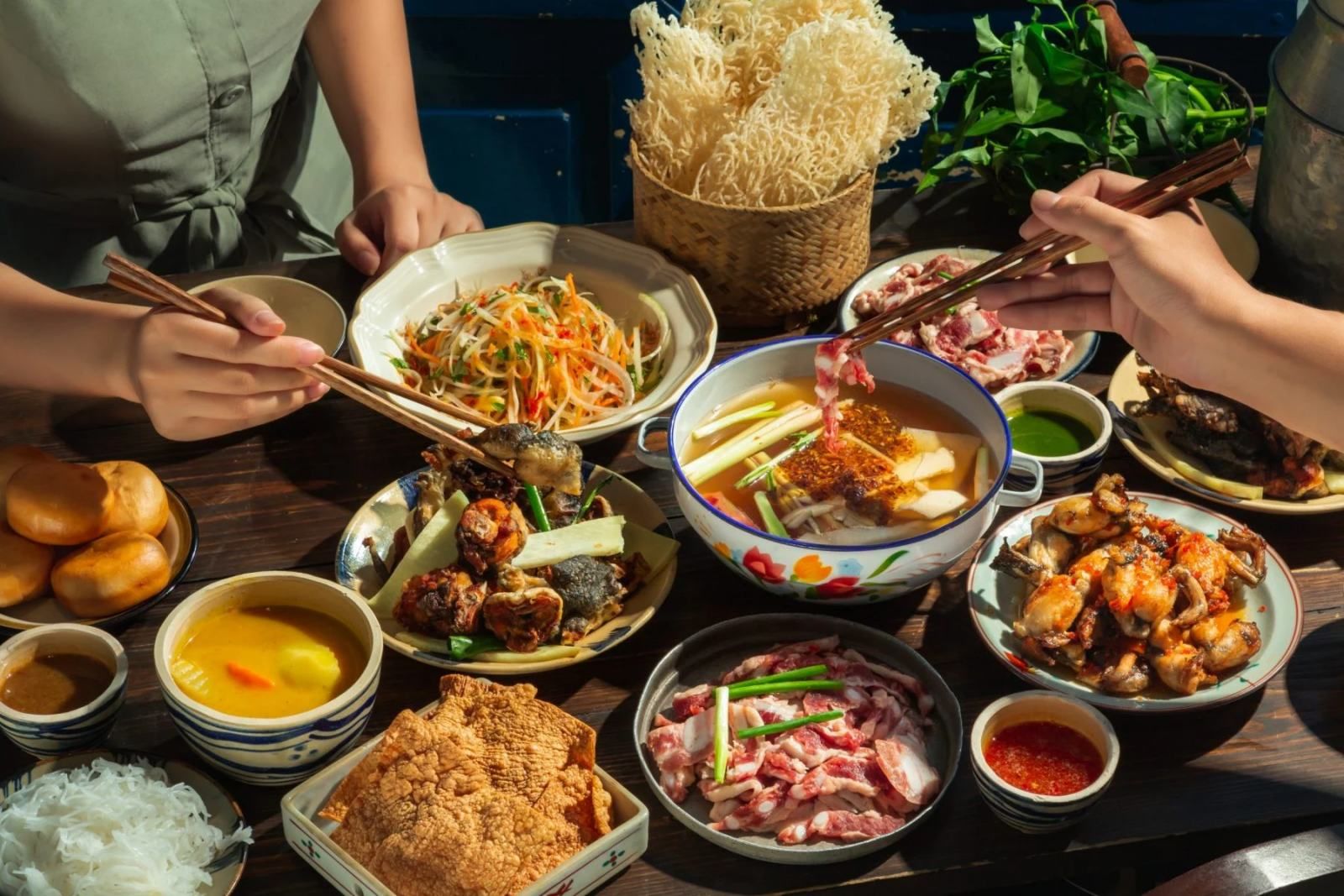
According to Booking.com’s new “Taste of Home” report, food is becoming a defining element in how travelers experience holiday homes in 2025. Based on insights from more than eight thousand travelers across the Asia-Pacific region, the report shows that culinary culture now plays a central role in travel decision-making.
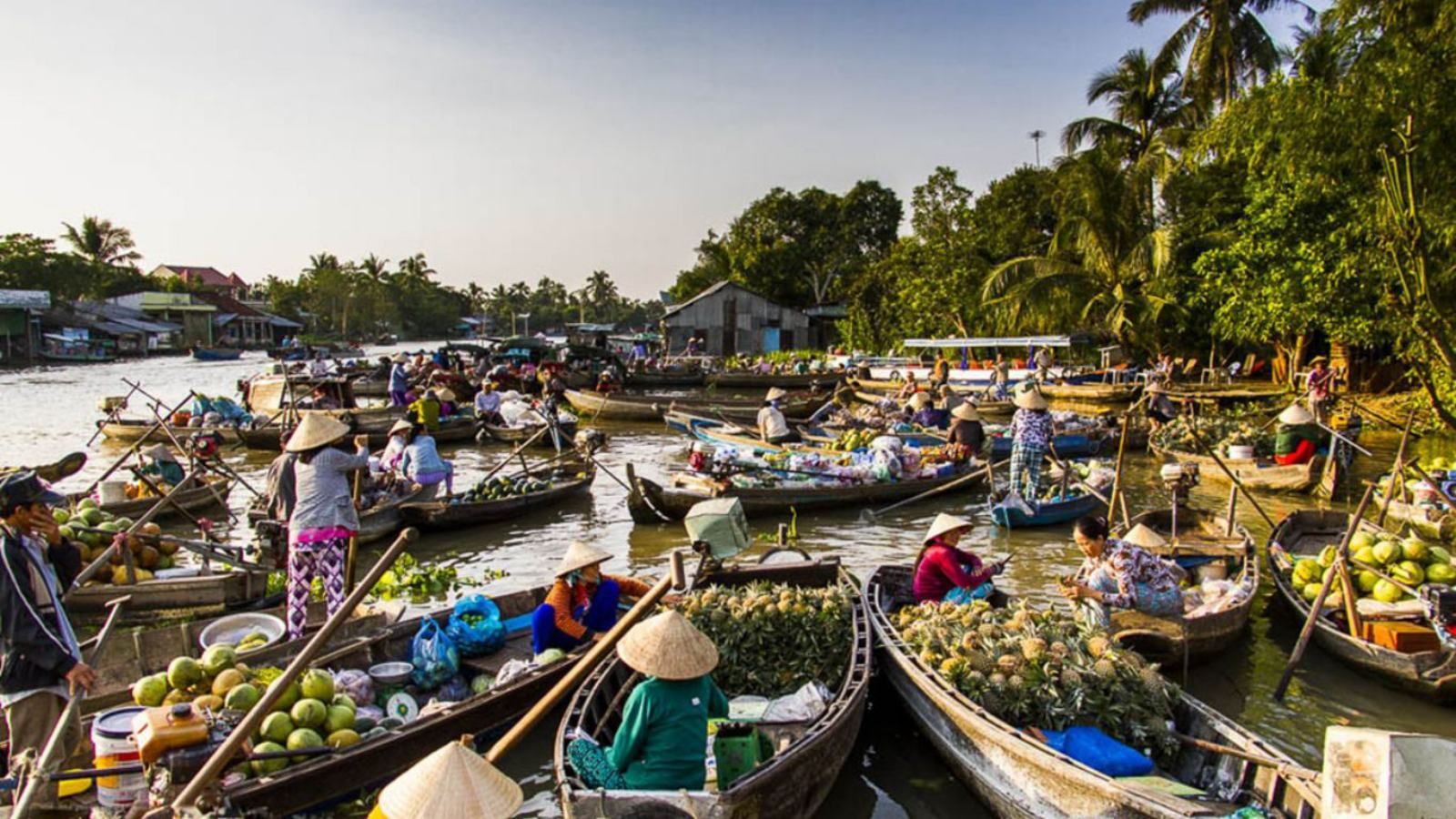
Vietnamese travelers place food at the heart of every journey, influencing both destination and accommodation choices. Eighty-four percent choose destinations based on local cuisine, and forty-eight percent say that their passion for regional specialties is the main motivation behind their trips. Preferences for holiday homes are shaped by privacy and comfortable dining spaces, freedom to enjoy meals without time restrictions, and opportunities to cook and share food with family and friends. These habits continue throughout the trip, with eighty percent visiting local markets, thirty-three percent cooking regional dishes, thirty-eight percent experimenting with new kitchen equipment and twenty-eight percent trying unfamiliar recipes. Travel has become a way for Vietnamese travelers to connect with culinary culture in an authentic and hands-on way.
Four key trends are shaping culinary travel experiences in holiday homes. The rise of the “new head chef” reflects how younger generations, especially Gen Z, are taking over the kitchen during trips. Twenty-four percent of Vietnamese travelers cook to host their friends and family, blending familiar flavours with creativity. Distinct holiday kitchen personas are also emerging, from traditional cooks who seek comfort in familiar dishes, to adventurous cooks who enjoy experimenting, to minimalists who prefer simple meals, and social cooks who bring energy and personality into the kitchen.
Another trend, known as trolley tourism, shows how shopping for ingredients has become part of the travel experience. Instead of buying souvenirs, eighty percent of travelers prefer to visit local supermarkets and markets to purchase fresh ingredients, supporting local businesses while bringing home the flavours of their journey. Portable pantry habits are also becoming more common, with ninety-one percent of Vietnamese travelers carrying favourite items such as snacks, instant noodles, spice mixes or even mini barbecue tools to recreate comfort in their holiday kitchens.
Vietnamese travelers tend to choose accommodation types that allow them to cook and gather with loved ones. Popular options include beachfront houses, countryside stays, apartments, townhouses, guesthouses and homestays. These settings offer flexibility for families and groups of friends who want to celebrate special occasions, prepare meals together and explore local cuisine in a more personal way.
Branavan Aruljothi, Country Manager of Booking.com Vietnam, notes that the report highlights the vital role of food in shaping Vietnamese travel behaviour. He adds that alternative accommodation types give travelers the opportunity to live like a local while enjoying the comfort of home. For accommodation partners, these insights present opportunities to elevate local culinary value and create meaningful food-centered experiences tailored to today’s travelers.
Recent Post
Fusion to Open Two Landmark Hotels in Hanoi and Hue in Early 2026
Fusion Hotel Group...

Nine Luxury Travel Experiences You Must Experience in 2026
The 2026 Luxe Repo...

Nine Days of Renewal and Transformation at JW Marriott Phu Quoc
During the Lunar N...

Top 3 All Inclusive Resorts Worth Experiencing in 2026
All inclusive holi...
All Inclusive A Curated Holiday in the World of Luxury
For a long time, a...