

Rediscovering Forgotten Flavours
Vietnamese cuisine carries stories that have faded from everyday life yet remain deeply rooted in cultural memory. Many chefs today are bringing these flavours back to the table through a renewed focus on local ingredients, regional traditions and sustainable sourcing. Their work not only preserves culinary heritage but also restores the emotional landscapes once tied to these dishes.
Sâm Cầm
Centuries ago, flocks of sâm cầm covered the surface of West Lake every winter, creating one of the most iconic scenes in ancient Thăng Long. Their meat was highly prized, tender and nutritious, and became a delicacy served in noble households and royal banquets. Over time, the birds became rare and the image of sâm cầm on West Lake turned into a nostalgic memory. Today, farms in Hanoi and Bắc Ninh are raising the species again.
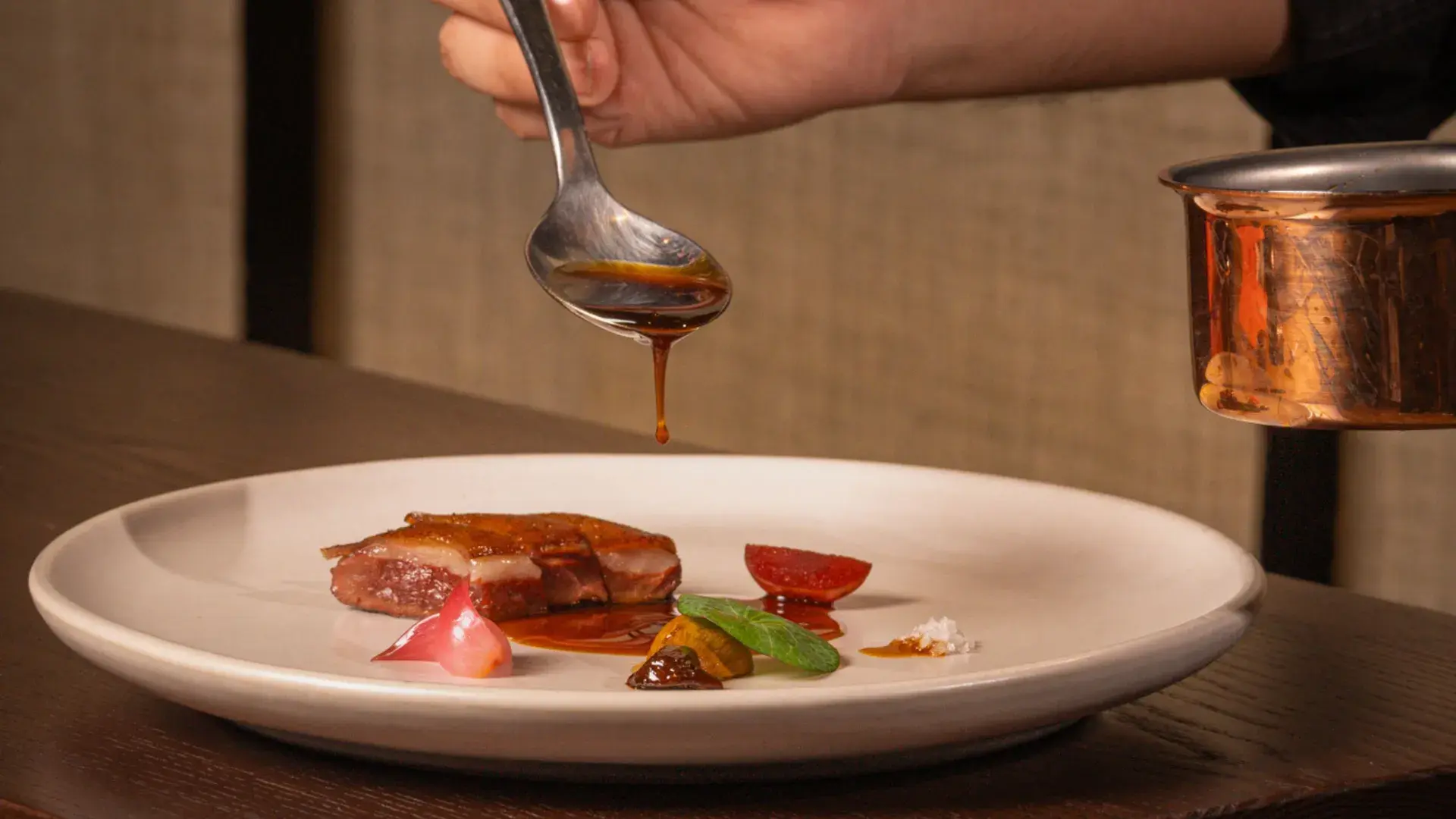
In Ho Chi Minh City, Miên restaurant revisits this royal delicacy through a menu inspired by village feasts. In the “Mâm Hội Cỗ Làng” menu of 2024, the chef uses semi wild farmed sâm cầm from Hanoi and prepares the meat over fire to achieve a rich aroma and balanced sweetness. Served with fermented Hanoi plums and sautéed termite mushrooms, the dish guides diners back to the flavours of old Thăng Long.
Cà Cuống
For many diners, cà cuống can be intimidating at first encounter. For those who grew up in northern countryside villages, it carries the memory of childhood adventures along ponds and canals. The male insect contains a fragrant essential oil with a distinctive aroma reminiscent of cinnamon blossoms. A few drops added to dipping sauce create a flavour that leaves a deep and unforgettable impression, celebrated in literature and folklore.
Natural cà cuống has become rare due to overharvesting and modern farming. Synthetic oil exists but cannot fully replicate the depth of the real ingredient. To obtain authentic oil, restaurants must source from specialised farms. At Chapter Dining in Hanoi, the team travelled to Tuyên Quang to secure high quality male insects. Instead of extracting the oil directly, Chef Quang Dũng grills the insects over charcoal and infuses them in oil for at least thirty days, creating a milder and more refined aroma used in the restaurant’s dishes.
Cơm Muối Huế
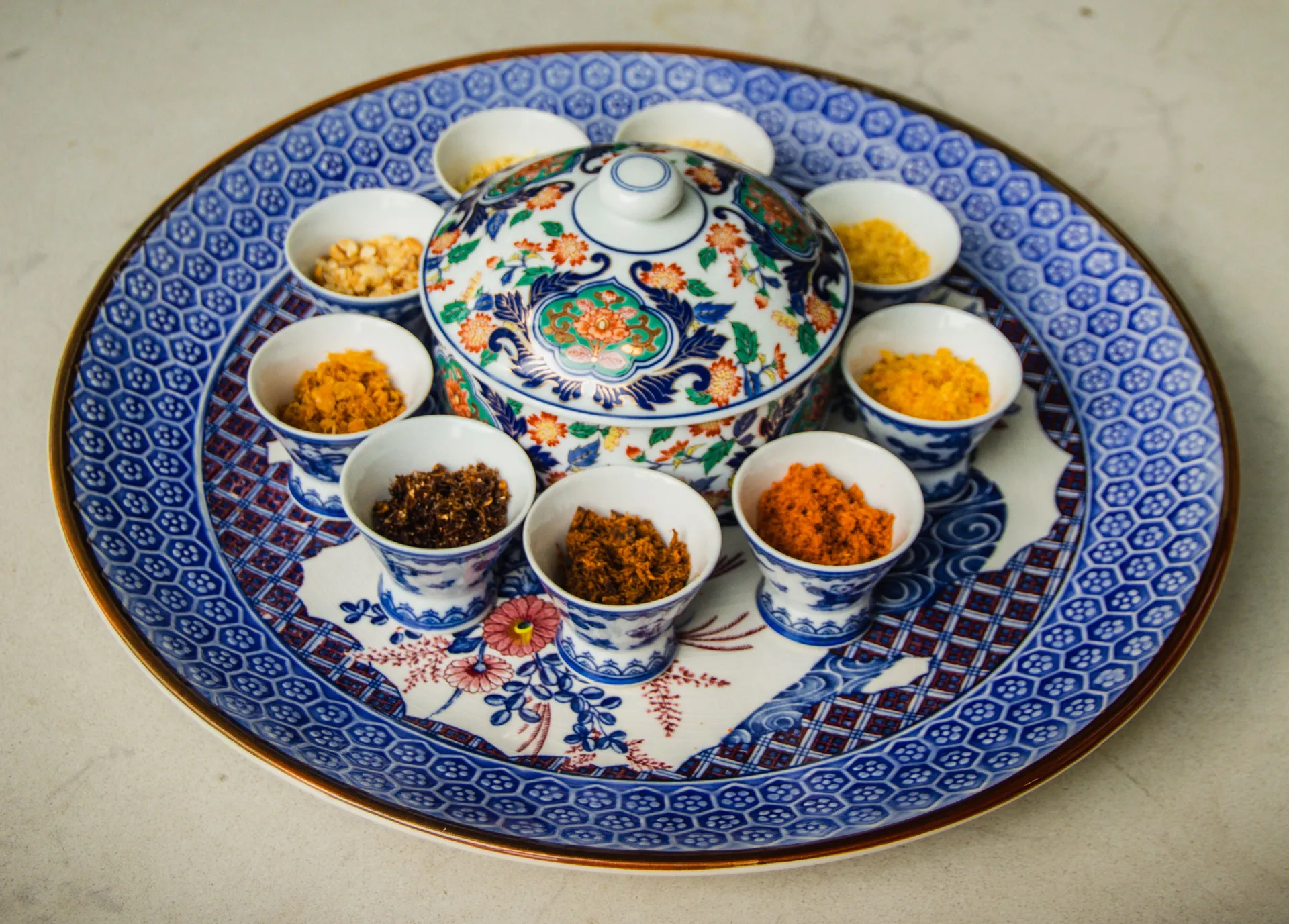
Cơm muối is one of Hue’s most distinctive culinary traditions, yet only a few restaurants still prepare it daily. Despite its humble name, the meal requires patience, skill and an understanding of refined home cooking. Historically served to honoured guests, cơm muối features numerous varieties of seasoned salt and represents the elegance of royal cuisine.
Inspired by this tradition, Chef Nguyễn Như Cường at Madame Lam in Ho Chi Minh City created “Cơm Tiến Vua”. The dish preserves the spirit of Hue’s original salt rice with nine varieties of salt symbolising longevity. It is crafted with premium Vietnamese ST25 rice blended with brown rice and nineteen seeds, and includes ant egg salt, a distinctive highland ingredient that brings heritage and modern Vietnamese cuisine together.
Cá Sấu Hoa Cà
The spotted crocodile is a symbol of the wetlands of Cần Giờ, appearing in stories of early settlers who once lived among dense mangroves. Today, through conservation and farming, spotted crocodiles are raised in Cần Giờ and at the Hoa Cà Crocodile Farm in Ho Chi Minh City.
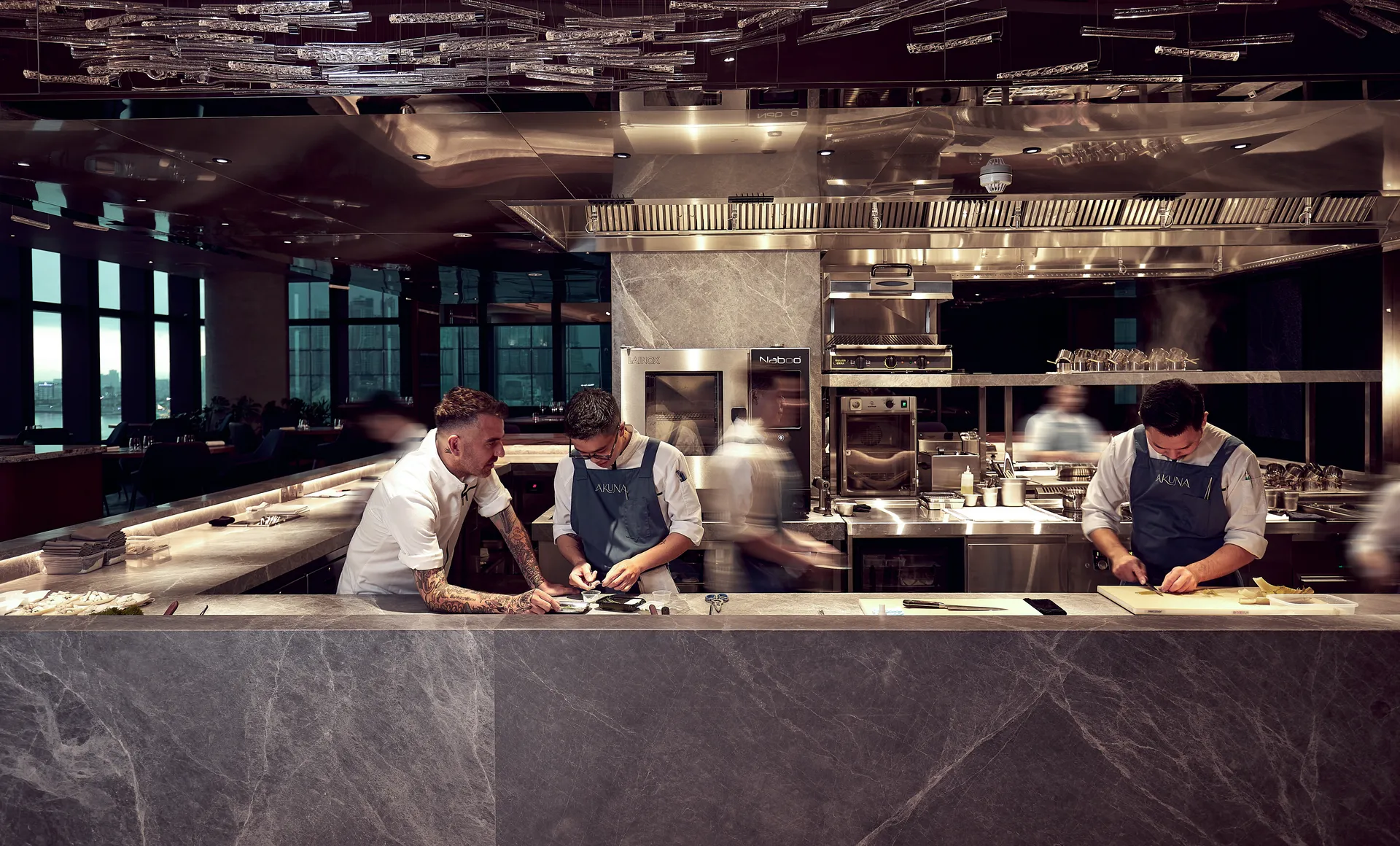
During a field trip to the farm, Chef Sam Aisbett of Akuna set himself a challenge. He wanted to use the entire crocodile and explore its culinary potential. The meat is lean with a mild flavour and a texture similar to pork and chicken, but drier. The tongue caught his attention because of its marbled fat, which inspired a new dish.
He slices the tongue thinly and blanches it in ginger and spring onion oil before placing it as the main element of a comforting rice porridge prepared with Japanese glutinous rice. The tail is used to create the sauce. The dish is served with steamed garlic bread and topped with Shoyuzuke quail egg yolks marinated in white soy sauce, rice vinegar and kombu for more than four hours. The result is a balanced and memorable experience built around an ingredient deeply tied to the folklore of Cần Giờ.
Recent Post
Fusion to Open Two Landmark Hotels in Hanoi and Hue in Early 2026
Fusion Hotel Group...

Nine Luxury Travel Experiences You Must Experience in 2026
The 2026 Luxe Repo...
Nine Days of Renewal and Transformation at JW Marriott Phu Quoc
During the Lunar N...
Top 3 All Inclusive Resorts Worth Experiencing in 2026
All inclusive holi...
All Inclusive A Curated Holiday in the World of Luxury
For a long time, a...