

Staying in Restored Heritage Hotels: A Leading Travel Trend for 2026
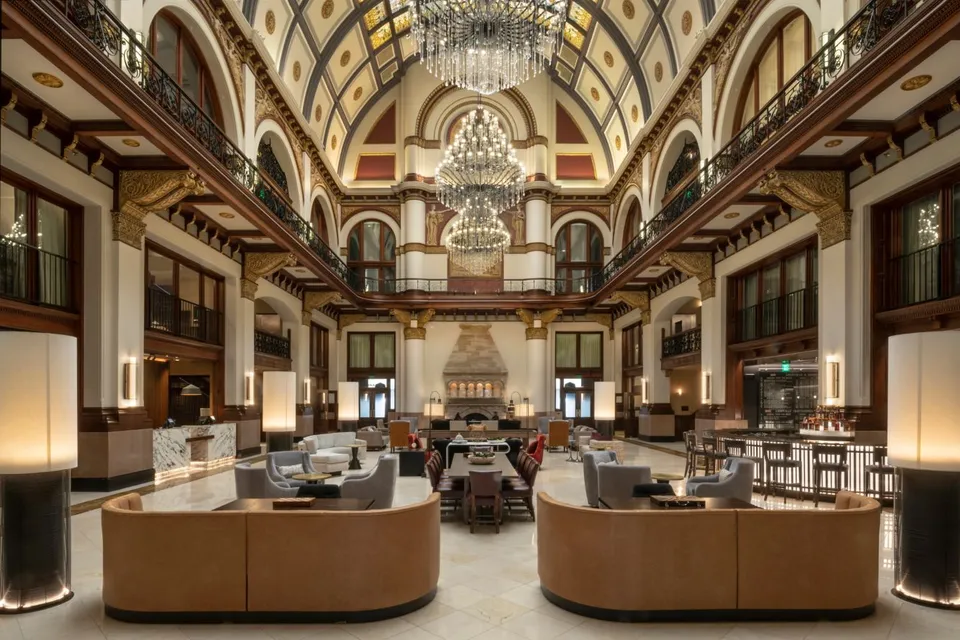
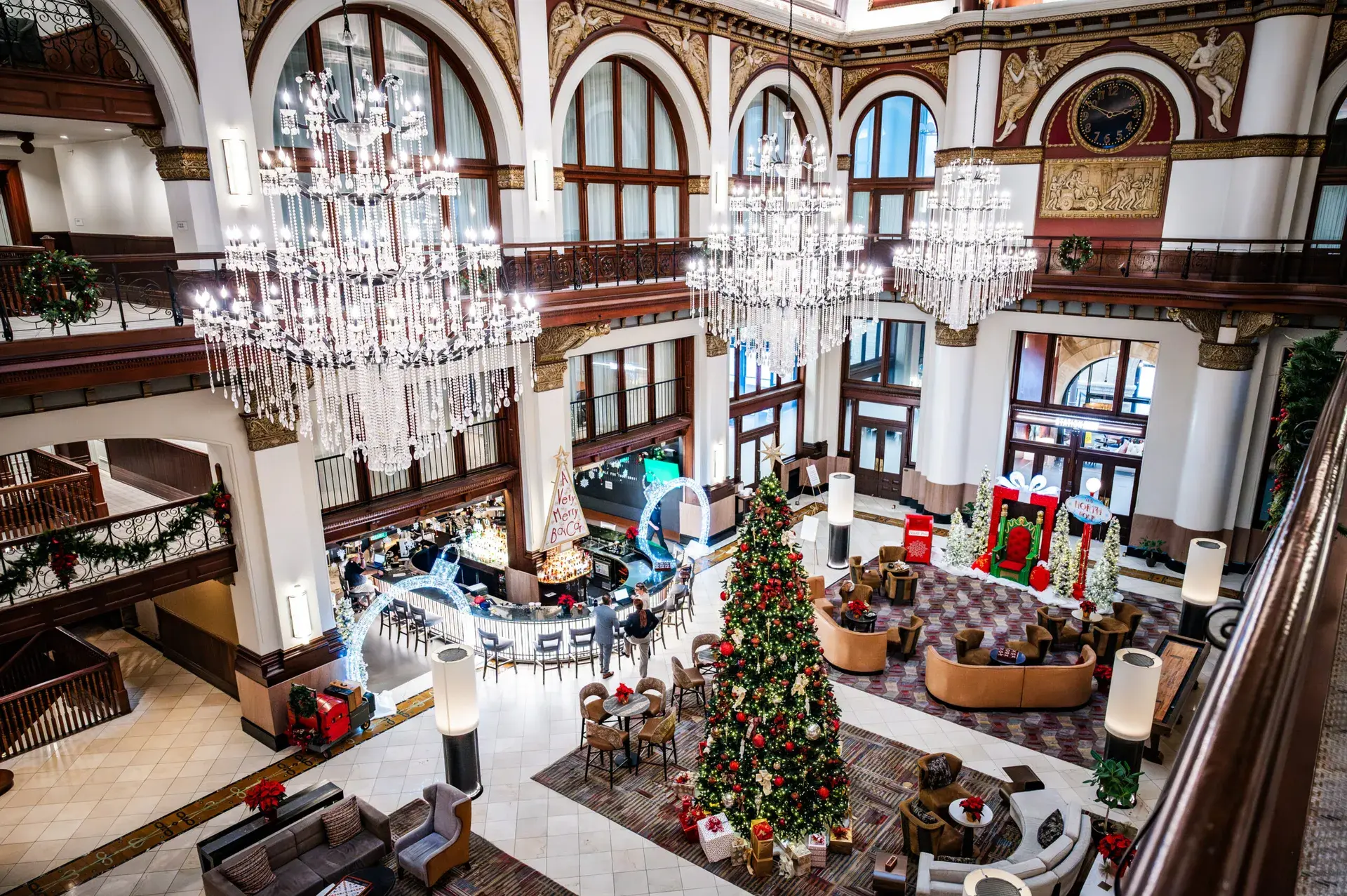

As travel continues to evolve in 2026, one trend stands out for its distinctive character and cultural depth. Travellers are increasingly drawn to hotels transformed from historic sites, seeking experiences that blend architectural heritage with modern comfort. This shift reflects a growing appreciation for properties that tell authentic stories about the destinations they belong to.
A Rising Preference for Historic Architecture
The recent Hotels of the Year list by Hotels.com shows a sharp rise in interest for accommodations with historical backgrounds, including buildings that once served as schools, public institutions or transport stations. The findings come from the Unpack 26 trend report by Expedia Group, which highlights a new wave of luxury hotels created from restored heritage structures. These properties combine history with contemporary elegance and are set to shape travel choices for 2026.
Notable Properties with Growing Demand
Search data indicates significant increases in interest for several restored hotels around the world. Seiryu Kyoto Kiyomizu in Kyoto, once an old school, recorded a 194 percent increase in searches. Bodmin Jail Hotel in Cornwall, formerly a prison, saw a 110 percent rise. Other properties such as Sandi Hotel in Rio de Janeiro, previously a school, and Fontevraud L’Ermitage in Anjou, once a monastery, have also captured travellers’ attention.
In North America, Union Station at Nashville Yards in the United States, originally a train station, and Nine Orchard in New York, formerly a bank, are among the standout examples. Additional favourites include Old Clare Hotel in Sydney, which was once a brewery and pub, Place d’Armes in Montreal, a former bank and federal building, and Canfranc Estacion Royal Hideaway in Spain, once a train station. These hotels are anticipated to be among the most sought after stays in 2026.
A Surge in New Restoration Projects
The trend is encouraging more restoration projects scheduled for late this year and early next year. Many belong to the world’s leading luxury brands. Rosewood Amsterdam in the Netherlands, Populus Seattle in the United States, once an old warehouse, Fairmont New Orleans in the United States, previously a bank, and Admiralty Arch Waldorf Astoria in London, once the residence of the First Sea Lord, are among the notable examples that reflect this movement.
Reviving Cultural Heritage Through Modern Hospitality
This rising preference for heritage hotels demonstrates travellers’ desire to experience destinations through culture and history. These properties often retain classic architecture while offering refined service and premium facilities. Beyond enhancing the guest experience, the trend also contributes to the preservation of historic buildings by giving them new purpose rather than replacing them with modern constructions.
Recent Post
Fusion to Open Two Landmark Hotels in Hanoi and Hue in Early 2026
Fusion Hotel Group...

Nine Luxury Travel Experiences You Must Experience in 2026
The 2026 Luxe Repo...
Nine Days of Renewal and Transformation at JW Marriott Phu Quoc
During the Lunar N...
Top 3 All Inclusive Resorts Worth Experiencing in 2026
All inclusive holi...

All Inclusive A Curated Holiday in the World of Luxury
For a long time, a...