Vietnam continues to make its mark on the global tourism map as Lo Lo Chai Village (Tuyen Quang) and Quynh Son Village (Lang Son) have been recognized by UN Tourism as “Best Tourism Villages 2025.” This achievement highlights the nation’s commitment to sustainable tourism development rooted in agriculture, community empowerment, and the preservation of cultural heritage.
From Global Initiative to Vietnam’s Story
Launched in 2021, the “Best Tourism Villages by UN Tourism” initiative is one of the United Nations’ flagship programs under the Tourism for Rural Development agenda. It aims to promote tourism as a tool for sustainable development in rural areas, helping protect landscapes, ecosystems, cultural heritage, and traditional knowledge.
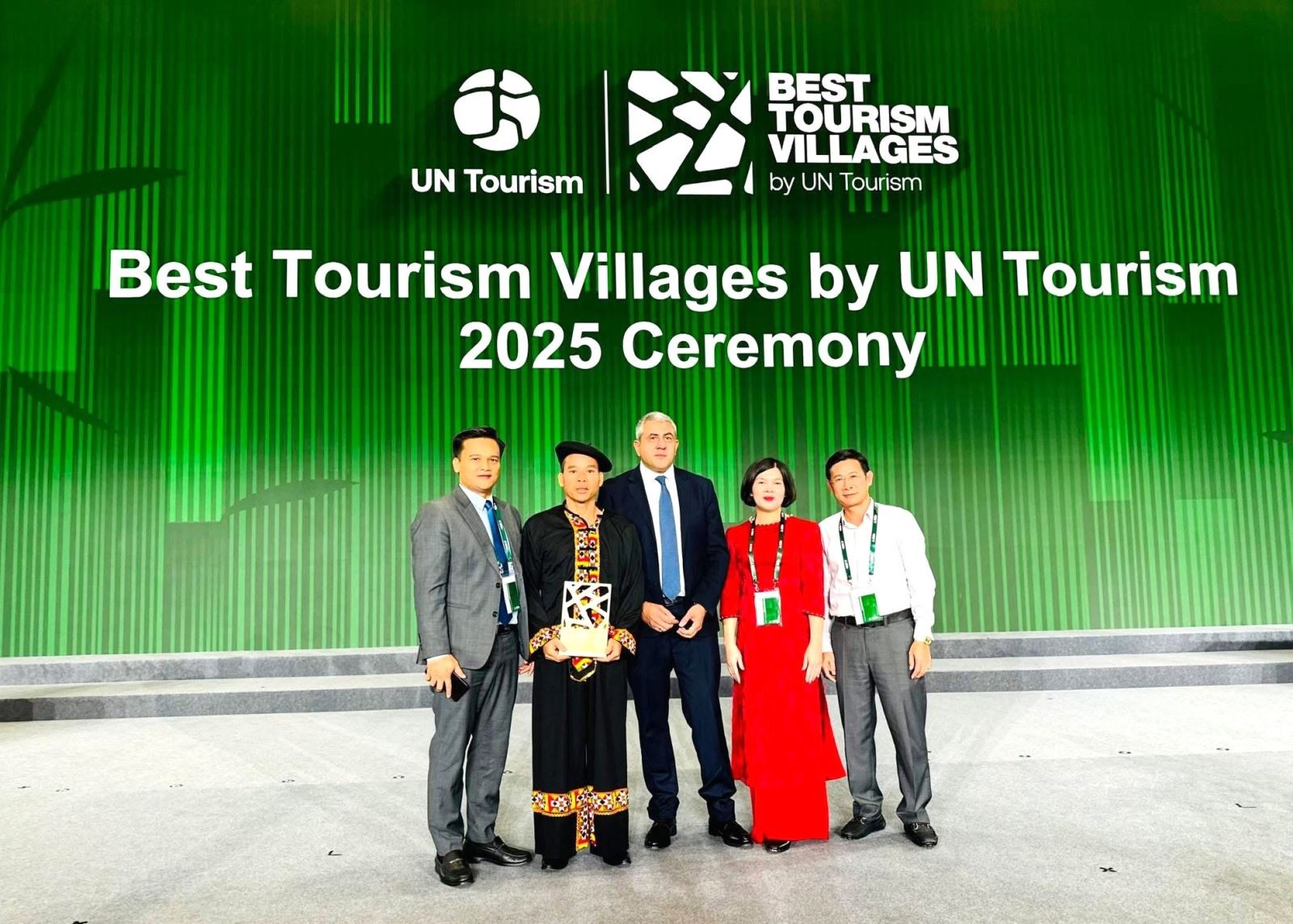
Speaking at the award ceremony held in Huzhou, Zhejiang Province, China, UN Tourism Secretary-General Zurab Pololikashvili emphasized, “Tourism can be a powerful driver of shared prosperity, inclusive growth, and rural connectivity. These villages prove that when tourism grows in the right direction, no one is left behind.”
Among 52 villages from 29 countries honored in 2025, Lo Lo Chai and Quynh Son stood out for their unwavering efforts in developing community-based tourism that balances cultural preservation and environmental protection. Their success reflects Vietnam’s clear vision for green, people-centered, and sustainable tourism.
Lo Lo Chai – Where Heritage and Tourism Flourish Together
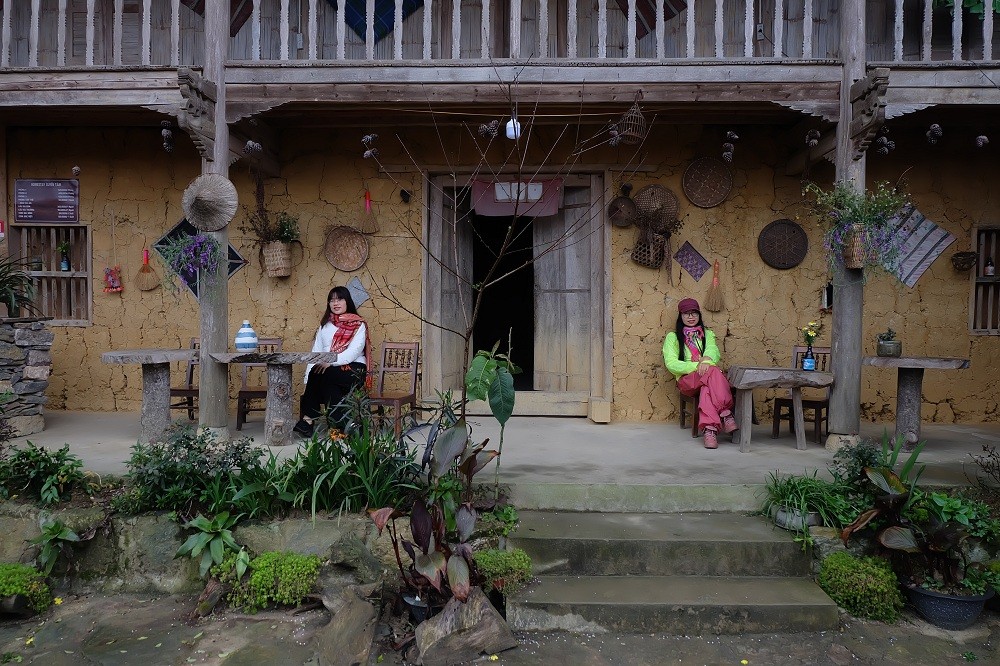
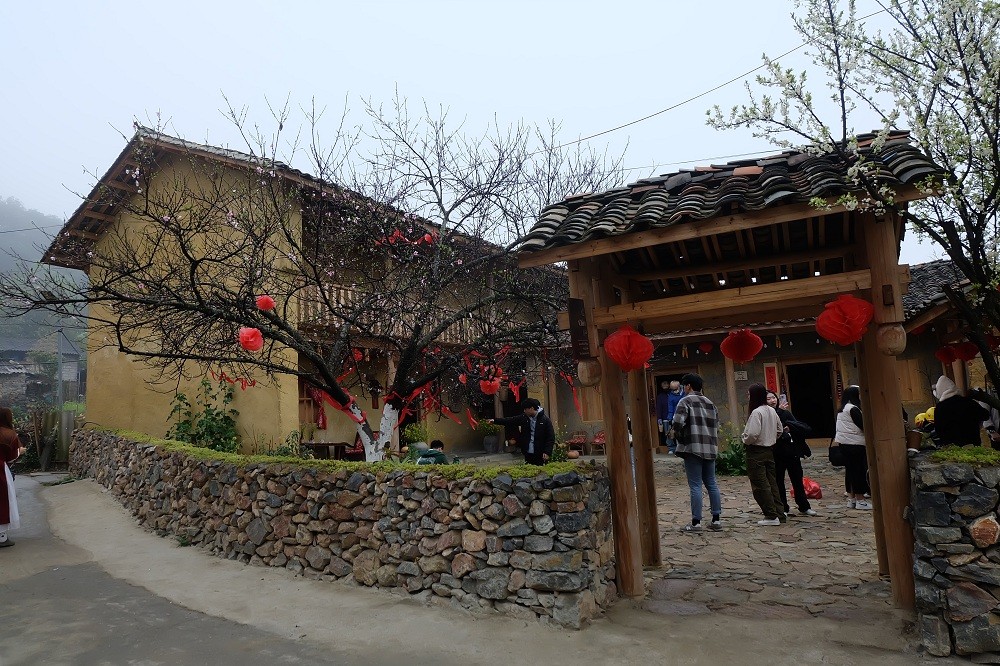
Nestled at the foot of Lung Cu Flag Tower, the northernmost point of Vietnam, Lo Lo Chai in Tuyen Quang Province embodies the unique cultural identity of the Lo Lo ethnic community. Surrounded by majestic mountains, its earthen houses with yin-yang tiled roofs, the sound of bronze drums and reed pipes, and the colorful traditional costumes create a vivid portrait of highland life.
Since 2021, Lo Lo Chai has been part of the Sustainable Tourism for Development (ST4SD) Project implemented by the Vietnam National Authority of Tourism in collaboration with Helvetas (Switzerland). The initiative supports local communities in building tourism based on cultural, scenic, and agricultural strengths.
Residents receive training in hospitality, cooking, accommodation management, and environmental protection. Many households now run homestays and offer hands-on experiences such as farming, traditional crafts, and local cuisine. Waste is sorted and treated within the village, single-use plastics are minimized, and native plants line the walkways.
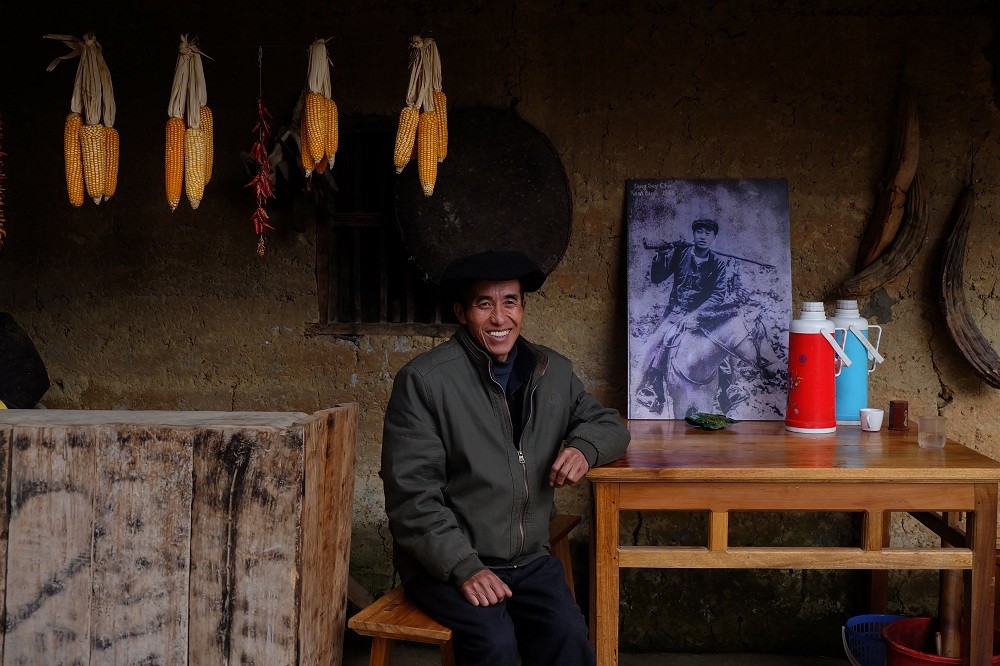
Community-based tourism has also revitalized local livelihoods. Activities like corn planting, khene making, indigo dyeing, and brocade embroidery have increased household income while inspiring young people to stay in their homeland. Village chief Sinh Di Gai shared that all tourism households have installed security cameras, waste has been eliminated, and the village remains clean and welcoming. “In the past, young people often left for jobs elsewhere,” he said. “Now visitors come year-round, everyone has work, and we can share our stories with pride.”
Being recognized as one of the “Best Tourism Villages 2025” is a well-deserved milestone for Lo Lo Chai, affirming its success in developing community-centered, environmentally responsible tourism. The award also strengthens Tuyen Quang’s ambition to become a leading cultural and eco-tourism destination in Vietnam’s northeast.
Quynh Son – A Peaceful Tay Village in the Bac Son Valley
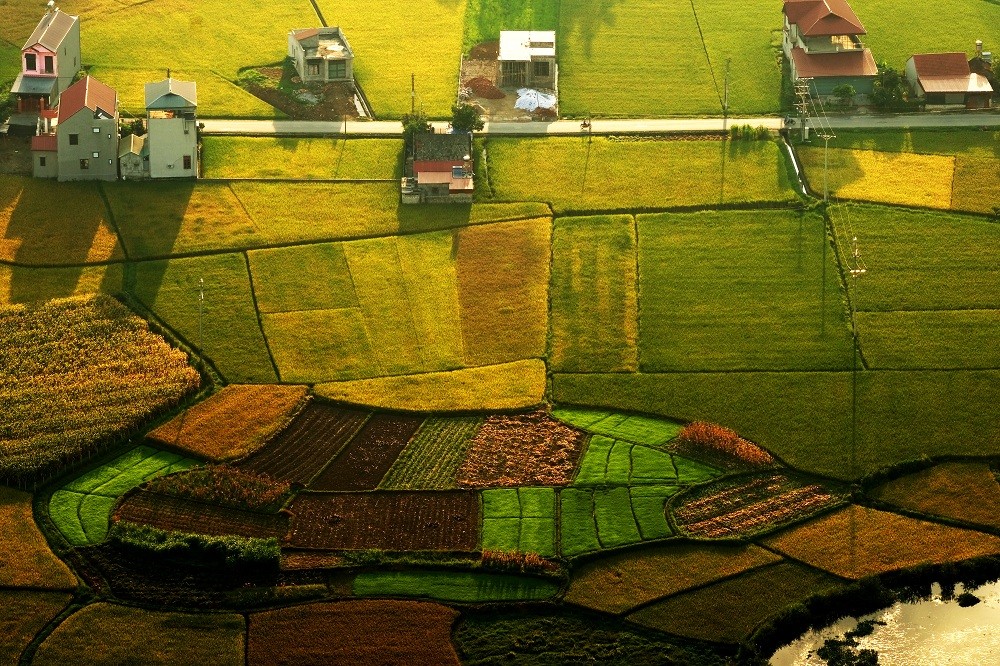
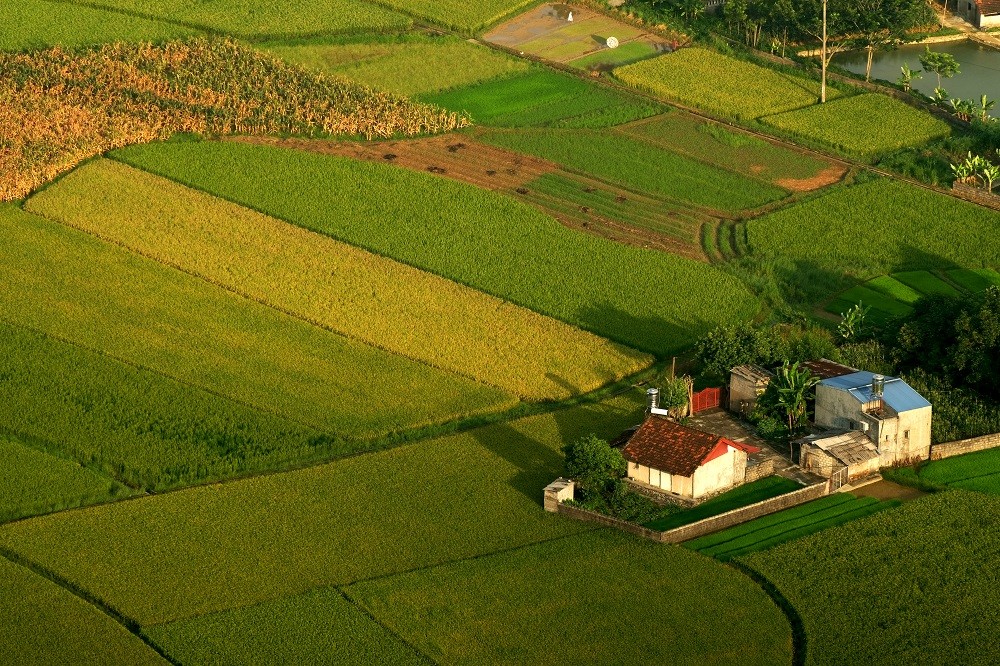
Surrounded by lush rice and corn fields, Quynh Son Village in Lang Son Province appears like a tranquil painting with its stilt houses, terraced fields, crystal-clear streams, and the gentle smiles of the Tay people.
Committed to a green and humane approach, Quynh Son has embraced clean tourism as its long-term path. The village is free of plastic waste, each household grows organic vegetables, and homestays are built using local materials that harmonize with nature. Traditional customs are preserved and shared with visitors through daily activities.
Lang Son Province has provided systematic training for residents on tourism skills, cultural etiquette, and environmental awareness. Local products such as Tay cuisine, handwoven textiles, Then singing and tinh lute performances, and agricultural experiences like rice harvesting or making traditional cakes have created sustainable income streams for hundreds of households. Women and young people now play an active role in shaping the village’s tourism identity.
Digital communication campaigns by the Lang Son Investment, Trade and Tourism Promotion Center have further expanded Quynh Son’s visibility. Short videos, vlogs, and images of the “Tay Village in the Clouds” have gained millions of views on social media platforms including TikTok, Zalo, and Facebook, attracting widespread interest from travelers.
Mr. Duong Cong Chich, one of the first residents to open a homestay, proudly shared, “Visitors don’t just come to admire the landscape; they live with us, cook with us, work in the fields, and sing Then songs together. Tourism has helped us preserve our culture and pass it on to the next generation.”
A Vision for Sustainable Growth
The achievements of Lo Lo Chai and Quynh Son represent not only community pride but also a significant step in Vietnam’s strategy to position itself as a destination of nature, culture, and hospitality.
In Tuyen Quang, the recognition of Lo Lo Chai as a “Best Tourism Village 2025,” alongside the UNESCO Global Geopark award for the Dong Van Karst Plateau, has given a strong boost to regional tourism development. The province views green and community-based tourism as a long-term approach to improving livelihoods while preserving natural and cultural heritage.
In Lang Son, Quynh Son’s international recognition came shortly after the province received UNESCO Global Geopark status, affirming its development strategy that places culture at the foundation, people at the center, and sustainability as the core principle. These dual honors not only raise Lang Son’s profile but also open new opportunities for investment, cooperation, and global promotion.
From the northern borderlands to the highland plateaus, Vietnam’s community-based tourism is writing a new story for the world: tourism as a means of preserving cultural soul and building lasting livelihoods for future generations.